Srbija
 Hrvatska
 Slovenija

Consumer prices in Federation of BiH jump 6.1 Percent annually as transport and housing surge


Consumer prices in the Federation of Bosnia and Herzegovina (FBiH) rose by 6.1 per cent in October compared to the same month last year, driven sharply higher by transport and household utility costs while food prices remained virtually unchanged, according to figures released by the FBiH Institute of Statistics.
Data published on Friday, 20 November, show that overall prices in the entity increased by one per cent month-on-month compared to September. Over the first ten months of this year, average consumer prices stood 4.8 percent higher than in the corresponding period of 2025.
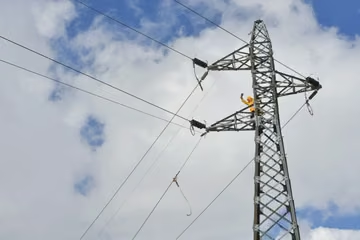
Behind the headline figure lie stark divergences across spending categories, with two major groups propelling the annual increase. Transport costs surged by 29.6 per cent year-on-year, while housing, water, electricity, gas, and other fuels climbed by 12 percent. Within the transport sector, the sharpest annual jump occurred in the operation of personal transport equipment, which includes fuel and lubricants, rising by 38.2 percent. In the housing category, electricity, gas, and other fuels increased by 14.7 percent annually, alongside a 10.2 per cent rise in actual rentals for housing.
The same two sectors accounted for the bulk of October's one per cent monthly rise. Housing and utilities rose by 2.9 percent compared to September, led by a 3.5 percent monthly jump in electricity, gas, and other fuels and a 3.6 per cent increase in rents, while transport costs climbed by 2.2 percent. Prices for miscellaneous goods and services edged up by 1.1 per cent month-on-month, whereas food and non-alcoholic beverages rose by 0.5 percent.
Food prices provided the biggest surprise in the October release. Although groceries represent the expense most keenly felt by households, food and non-alcoholic beverages were just 0.3 percent more expensive than a year earlier. That marks a sharp contrast to October 2025, when food prices across Bosnia and Herzegovina were 6.9 percent higher year-on-year, according to the Agency for Statistics of BiH.
Clothing and footwear remained the only category significantly cheaper than a year ago, falling by 10.4 per cent overall and by 12.4 percent for footwear alone, while communications dipped by 0.5 percent. On a monthly basis in October, slight declines were recorded in furnishings and household equipment (0.9 percent), restaurants and hotels (0.3 per cent), and recreation and culture (0.2 percent).
Annual inflation in the Federation of BiH has fluctuated throughout the year.
According to FBiH Institute of Statistics releases carried by the FENA news agency, the rate stood at 3.5 per cent in January and 3.1 per cent in February before jumping to 6.6 percent in April, easing to 5.5 percent in May, and dropping to 3.9 percent in June. October's 6.1 percent reading brings inflation back close to its spring peak. By comparison, annual inflation in neighbouring Serbia stood at 4.4 percent in October, according to the Statistical Office of the Republic of Serbia, while nationwide October figures for Bosnia and Herzegovina are due to be published later by the state statistics agency.
Kakvo je tvoje mišljenje o ovome?
Učestvuj u diskusiji ili pročitaj komentare


Kakvo je tvoje mišljenje o ovome?
Učestvuj u diskusiji ili pročitaj komentare