Srbija
 Hrvatska
 Slovenija

Council Of Europe demands urgent action to protect 15 minority languages In Bosnia And Herzegovina


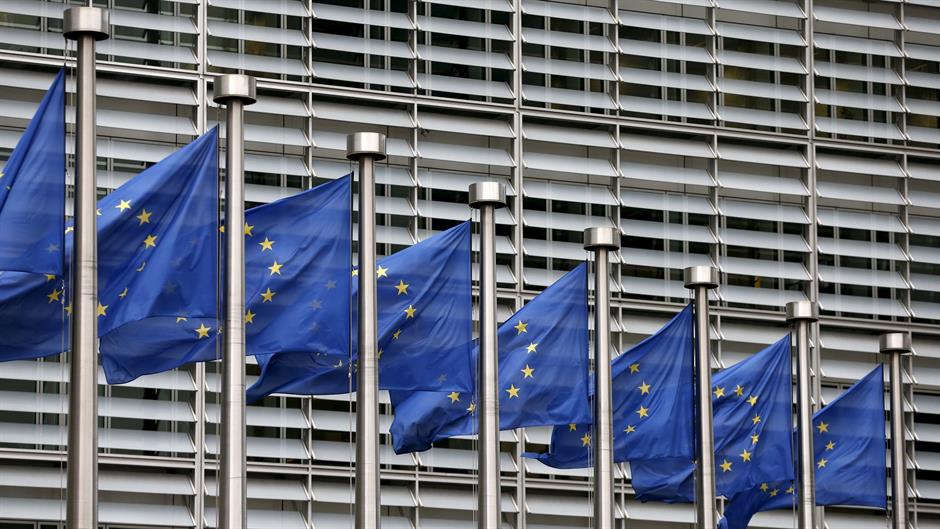
Bosnia and Herzegovina must take resolute and better coordinated action to protect and promote its regional or minority languages, according to a new evaluation report published today by the Council of Europe’s Committee of Experts of the European Charter for Regional or Minority Languages.
While welcoming recent efforts, including work on a new draft law on the rights of national minorities, the report concludes that the teaching of most minority languages remains largely absent from public education. Furthermore, these languages are not used in judicial and administrative proceedings, or in communication with administrative authorities.
The Committee, however, positively notes initiatives by the public broadcaster to raise awareness of national minorities and their cultures. It also calls for radio and television programmes to be produced directly in regional or minority languages, in line with the country's commitments under the Charter.
The report assesses the implementation of the Charter, which has been in force in the country since 2011 and protects 15 regional or minority languages: Albanian, Czech, German, Hungarian, Italian, Ladino, Polish, Romani, Romanian, Ruthenian, Slovak, Slovenian, Turkish, Ukrainian, and Yiddish. The Committee notes that the country's complex administrative structure continues to hamper the implementation of the Charter and reiterates its recommendation to develop a structured national policy and a medium-term strategy. This should be supported by stronger coordination between authorities at all levels and representatives of regional or minority language speakers. It emphasises the important role national minority councils could play in this respect.
The Committee welcomes the preparation of a new draft law on the rights of national minorities and the launch of consultations with minority representatives, describing this as an important opportunity to align domestic legislation with the Charter. It also encourages the authorities to remove numerical thresholds that currently limit the practical use of regional or minority languages and to establish a legal framework that better supports their protection and promotion.
The report finds a continuing absence of most regional or minority languages from the public education system. It highlights persistent shortages of qualified teachers and teaching materials, while recommending that curricula for German, Italian, and Turkish, which are currently taught as foreign languages, better reflect their historical presence and cultural heritage in Bosnia and Herzegovina. Finally, the Committee calls for increased, equitable, and predictable funding for regional or minority language-related initiatives.
Kakvo je tvoje mišljenje o ovome?
Učestvuj u diskusiji ili pročitaj komentare


Kakvo je tvoje mišljenje o ovome?
Učestvuj u diskusiji ili pročitaj komentare
NAJČITANIJE














Najnovije









ZDRAVLJE




LIFESTYLE





SHOWBIZ


N1 KVIZ