


 Srbija
 Hrvatska
 Slovenija

Croatian Parliament Speaker: Genocide in Srebrenica example of what hatred can lead to


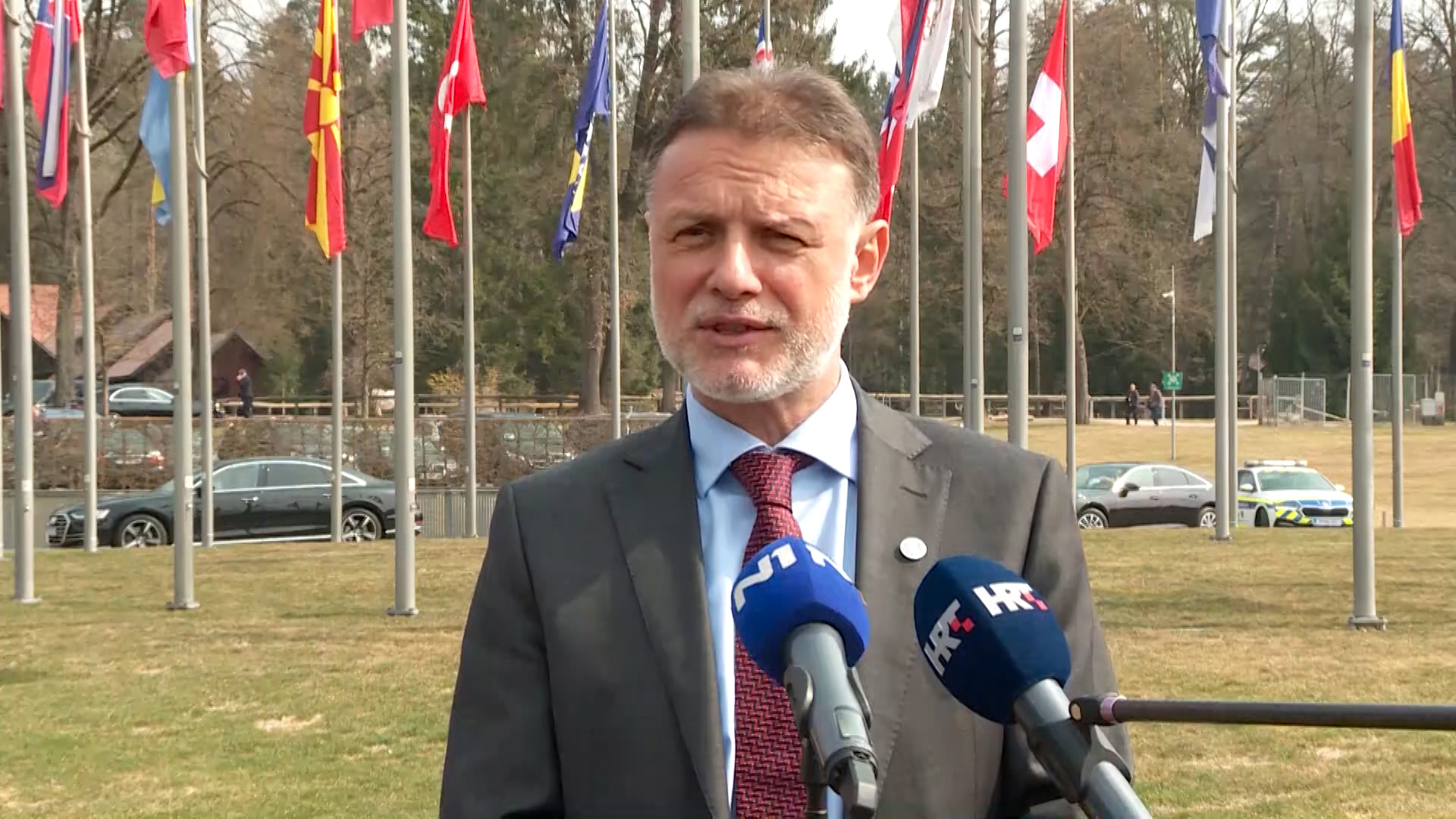
The Srebrenica genocide is a reminder of what "hatred and intolerance can become if allowed to grow," Sabor Speaker Gordan Jandrokovic said on Thursday at a commemoration marking the 30th anniversary of the war atrocities committed by Serb forces in that east Bosnian town.
Describing the genocide committed against local Bosniaks in Srebrenica as "one of the bloody pinnacles" of the Greater Serbian aggression during the 1990s, Jandrokovic said that the killing of more than 8,000 Bosniak men and boys aged between 13 and 77 by Serbian forces on 11 July 1995 was not "merely an act of sudden hatred."
“I believe that everyone present here today is aware of what hatred and intolerance can turn into if allowed to grow. Sadly, history offers far too many examples,” Jandrokovic emphasised at the commemoration in Zagreb's Vatroslav Lisinski concert hall, organised by the Council of the Bosniak Ethnic Minority of the City of Zagreb and the National Coordination of Bosniaks Croatia.
Highlighting that "unease and insecurity have deeply permeated the fabric of the world we live in," the Croatian parliament speaker stated that "we are all called upon to contribute to the fight against intolerance and any form of chauvinism and extremism in our societies."
"We all have a duty not to allow hatred to prevail," he stressed at the event, which was attended by representatives of the Office of the President, officials of the government and the City of Zagreb as well as foreign ambassadors.
This year is the 30th anniversary of the 11 July 1995 genocide, when the army and police of the Bosnian Serbs killed more than 8,000 victims following the fall of the enclave that had been under United Nations protection.
A number of European leaders and office-holders, including Croatian Prime Minister Andrej Plenkovic, are travelling to Srebrenica on Friday to mark the occasion.
Last year, the United Nations General Assembly declared 11 July as the International Day of Remembrance for the Victims of the Srebrenica Genocide, thereby reaffirming the previous rulings of international courts recognising the crime as genocide.
Bozinovic: Srebrenica symbol of what happens when institutions fail, when int'l community arrives too late
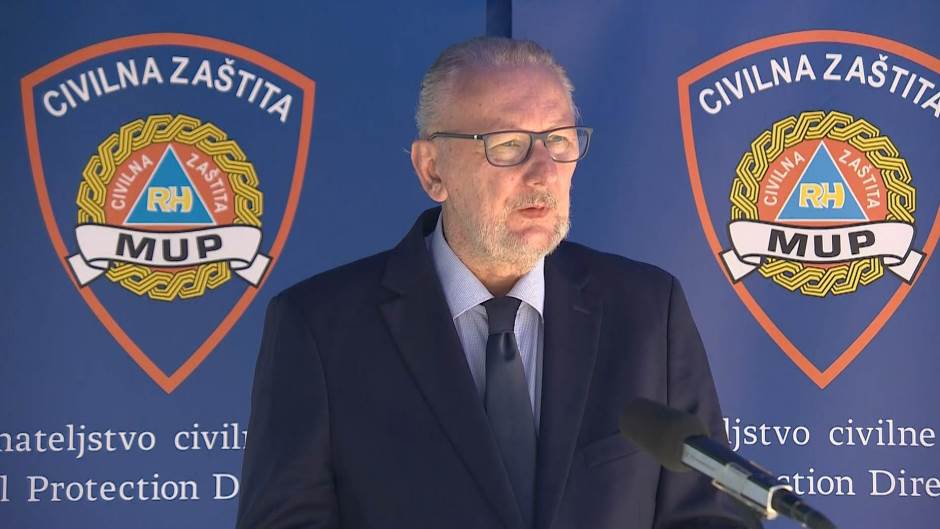
At the commemoration, Croatian Minister of the Interior Davor Bozinovic stressed that remembrance, truth, and condemnation are essential, and warned that "we have not defeated evil until the sites of massacres become modern towns and places of life."
"Srebrenica has become a symbol of what happens when institutions fail, when the international community arrives too late, when silence outweighs responsibility," Bozinovic said.
He emphasised that "reconciliation does not come through forgetting, but through truth, acknowledgement, and humanity, and the triumph over evil comes through the return of life."
In Potocari, where the Srebrenica Memorial Centre is located, the remains of more than 6,700 victims of the genocide have so far been buried, and the search continues for the bodies of at least a thousand more who were killed.
Kakvo je tvoje mišljenje o ovome?
Učestvuj u diskusiji ili pročitaj komentare


Kakvo je tvoje mišljenje o ovome?
Učestvuj u diskusiji ili pročitaj komentare
NAJČITANIJE



















Najnovije










ZDRAVLJE





LIFESTYLE




SHOWBIZ





N1 KVIZ