Srbija
 Hrvatska
 Slovenija

US lawmakers press State Department over Dodik sanctions, Mladic glorification and OHR


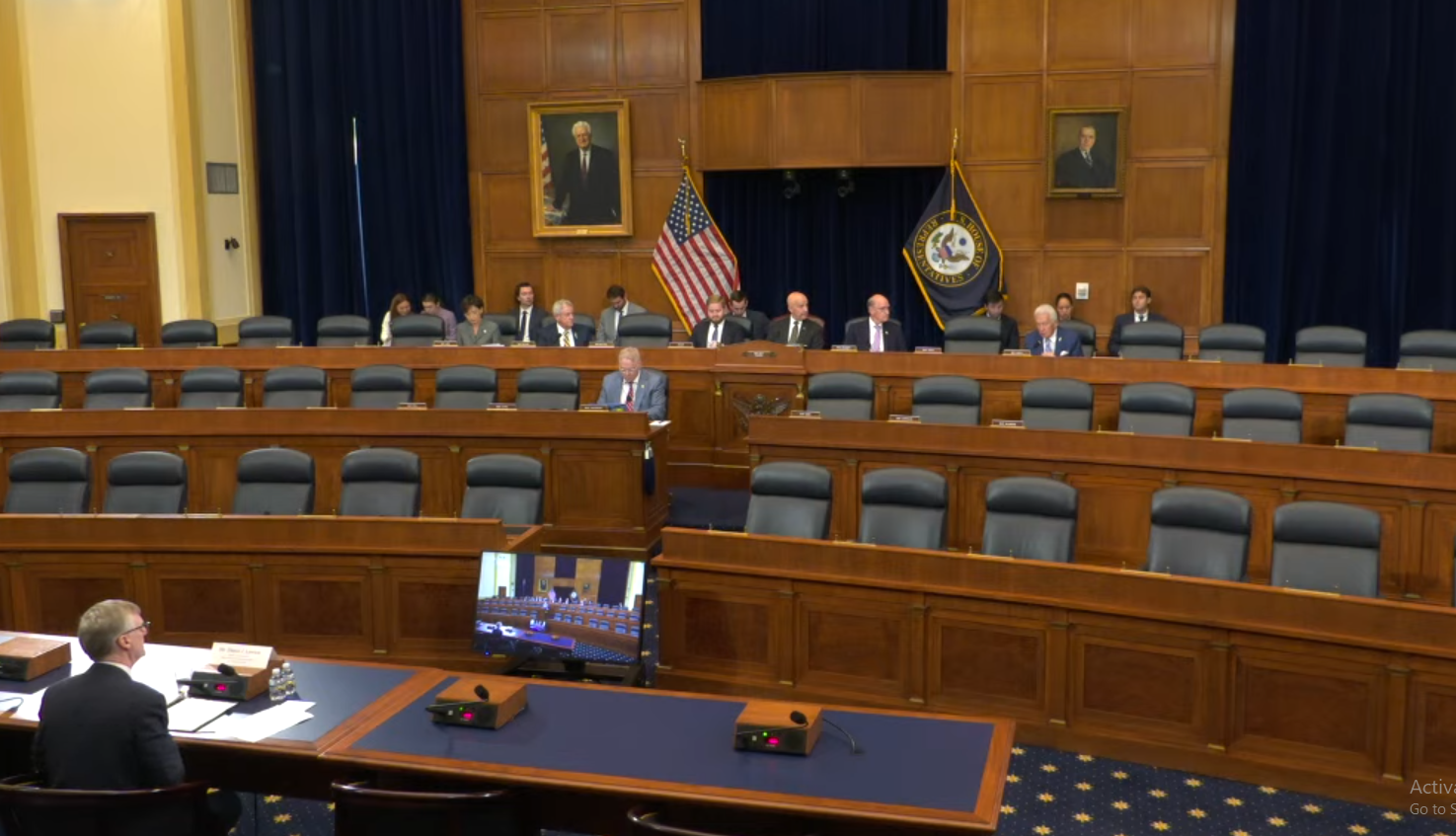
US lawmakers challenged the Trump administration over its policy towards Bosnia and Herzegovina during a congressional hearing on Tuesday, demanding renewed sanctions against Milorad Dodik, condemning Serbia’s glorification of convicted war criminal Ratko Mladic and questioning the future of the Office of the High Representative.
Daniel J. Lawton, a senior State Department official responsible for parts of Europe, defended the administration’s decisions but said Washington remained committed to Bosnia’s sovereignty, territorial integrity and the stability provided by the Dayton Peace Agreement.
Calls to restore Dodik sanctions
Bill Keating, the leading Democrat on the House Foreign Affairs Subcommittee on Europe, said Dodik had continued destabilising activities after the administration removed sanctions against him and his associates.
“Dodik is blatantly violating this legislation, and the Trump administration must immediately reimpose sanctions on him,” Keating said, referring to the Western Balkans Democracy and Prosperity Act.
He cited Dodik’s rejection of Dayton, attacks on the legitimacy of the High Representative, inflammatory statements about Bosniaks and visits to Moscow.
Lawton said Washington was “focused on actions as opposed to rhetoric”, noting that Dodik had stepped down as Republika Srpska president and was not standing in the October elections.
He later said the delisting was connected to “resolving and defusing the deepest political crisis in Bosnia and Herzegovina in decades”.
“As a result of US diplomacy, Milorad Dodik stepped aside as president of Republika Srpska, and that legislature took away the most anti-Dayton legislation that it had previously passed,” Lawton said.
Keating replied that Dodik “remains a destabilising influence”.
The Democrat also presented his “Pay for Play in the Balkans” report, accusing Trump allies of profiting from Dodik’s lobbying campaign and the proposed Southern Interconnection gas pipeline.
He questioned US support for AAFS Infrastructure and Energy, established by former Trump lawyer Jesse Binnall and Joseph Flynn, brother of former national security adviser Michael Flynn. Keating said the company was created four days after the US Embassy publicly advocated American involvement in the pipeline and had no experience in the region or energy sector.
“They have no business receiving this sole-source designation,” he said.
Lawton said he was unaware of any US funding or direct assistance to AAFS. Washington had advocated an American solution, he acknowledged, but the decision to negotiate with the company was “a sovereign decision of the Federation”.
US rejects glorification of Mladic
Democratic Representative Dina Titus criticised the administration for remaining publicly silent after Serbia treated Mladic “like a national hero” at his funeral.
Lawton then placed the US position on the congressional record.
“We recognise the Srebrenica genocide, we remember the victims, and we reject the glorification of war criminals,” he said.
“The tragedy and crimes of the 1990s should not be turned into political theatre. That is offensive to the memory of the tens of thousands of victims and the millions who lived through that period.”
Asked whether Secretary of State Marco Rubio would publicly condemn the events, Lawton said Washington did not respond publicly to every international development but maintained a “robust” diplomatic dialogue.
Debate over the future of the OHR
Republican Subcommittee Chairman Keith Self questioned whether the next High Representative could be an American and said the office should ultimately close once the necessary conditions were met.
“The High Representative position was not intended to be permanent, yet here we are 30 years on,” Self said.
Lawton declined to speculate about Schmidt’s successor. He said acting High Representative Louis J. Crishock, a senior US diplomat, had the necessary authority to promote stability, particularly ahead of Bosnia’s elections. He also confirmed that a European successor had not been appointed because there was no European consensus.
Keating offered stronger support for the institution.
“I do think that the Office of the High Representative is critical, and I want to reaffirm support for that office,” he said, urging Washington and Europe to agree on a successor committed to upholding Dayton.
Self ended the discussion with a stark warning: “Bosnia and Herzegovina flying apart is probably not outside the realm of possibility, particularly given the RS positions.”
Kakvo je tvoje mišljenje o ovome?
Učestvuj u diskusiji ili pročitaj komentare


Kakvo je tvoje mišljenje o ovome?
Učestvuj u diskusiji ili pročitaj komentare