Srbija
 Hrvatska
 Slovenija

ODIHR welcomes reforms but points to unresolved challenges


Less than two weeks before Bosnia and Herzegovina's general elections, the OSCE Office for Democratic Institutions and Human Rights (ODIHR) has published an interim report highlighting a number of challenges as well as positive developments in preparations for the electoral process.
The report covers the period from August 20 to September 16, with the elections scheduled for October 4.
ODIHR observers noted that the elections are taking place in a highly polarized political environment, marked by divided reactions to the death of convicted war criminal Ratko Mladic.
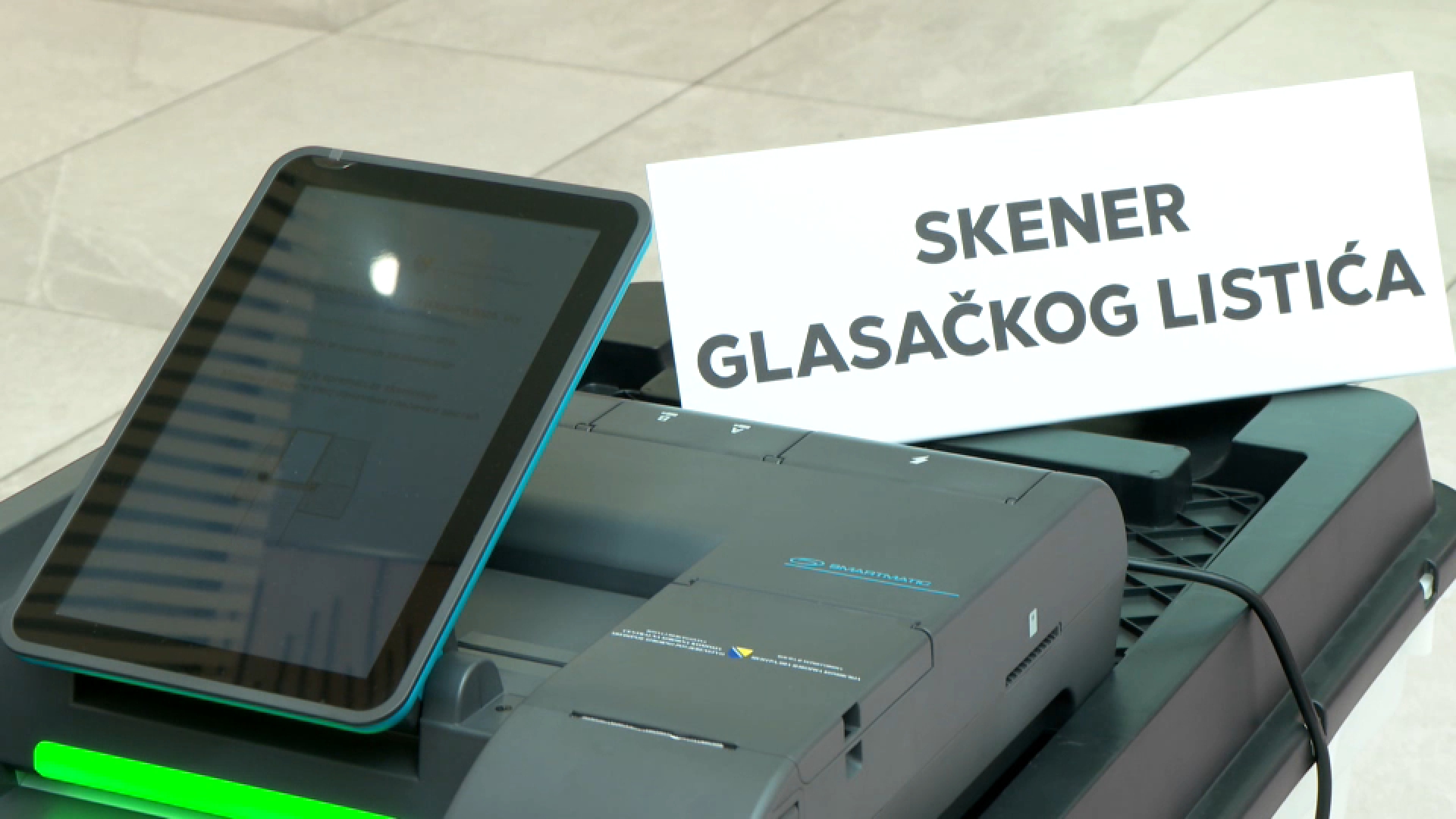
Particular attention was given to the first nationwide use of election-related information and communication technologies in Bosnia and Herzegovina. For the first time, voters are expected to use biometric identification devices and ballot scanners, raising expectations regarding the integrity of the electoral process.
However, the report notes that preparations for the deployment of the new technologies have been affected by delays and problems with equipment delivery.
According to Central Election Commission data, the voter register contains 3.4 million registered voters. Voter lists were made available at selected locations for public inspection, while the Central Election Commission’s voter registration database is available online and electronic copies are provided to election participants upon request. Voters residing abroad were able to register online. Most ODIHR Election Observation Mission interlocutors did not express serious concerns regarding the inclusiveness of the voter register.
For the six institutions elected directly, the Central Election Commission registered a total of 7,028 candidates, including 2,977 women.
The candidates were nominated by 82 certified political entities, including 75 political parties.
The observation mission noted that women remain underrepresented in political life in Bosnia and Herzegovina despite the statutory requirement that women make up 40 percent of candidates on electoral lists.
The official campaign period began on September 4 and runs until October 3.
ODIHR observed a visible campaign, but also cases of negative rhetoric and appeals to voters primarily along ethnic lines.
The report also notes that the Central Election Commission received 534 complaints and notifications, most of them concerning premature campaigning. The CEC reviewed 385 cases and imposed sanctions on 26 political parties and 20 party candidates, totalling 438,000 Bosnian marks (approx. €219,000).
ODIHR also pointed to continued concerns over the possible misuse of public resources during the pre-election period.
Regarding the media environment, the mission assessed it as formally pluralistic but strongly influenced by political and business interests.
ODIHR concluded that the election administration is making significant efforts to ensure the smooth conduct of the elections, but that the shortened deadlines for introducing new technologies pose a serious challenge to the full readiness of the electoral process.
Kakvo je tvoje mišljenje o ovome?
Učestvuj u diskusiji ili pročitaj komentare


Kakvo je tvoje mišljenje o ovome?
Učestvuj u diskusiji ili pročitaj komentare