Srbija
 Hrvatska
 Slovenija

Bosnia joins Environmental Impact Assessment for Trgovska Gora radioactive waste site


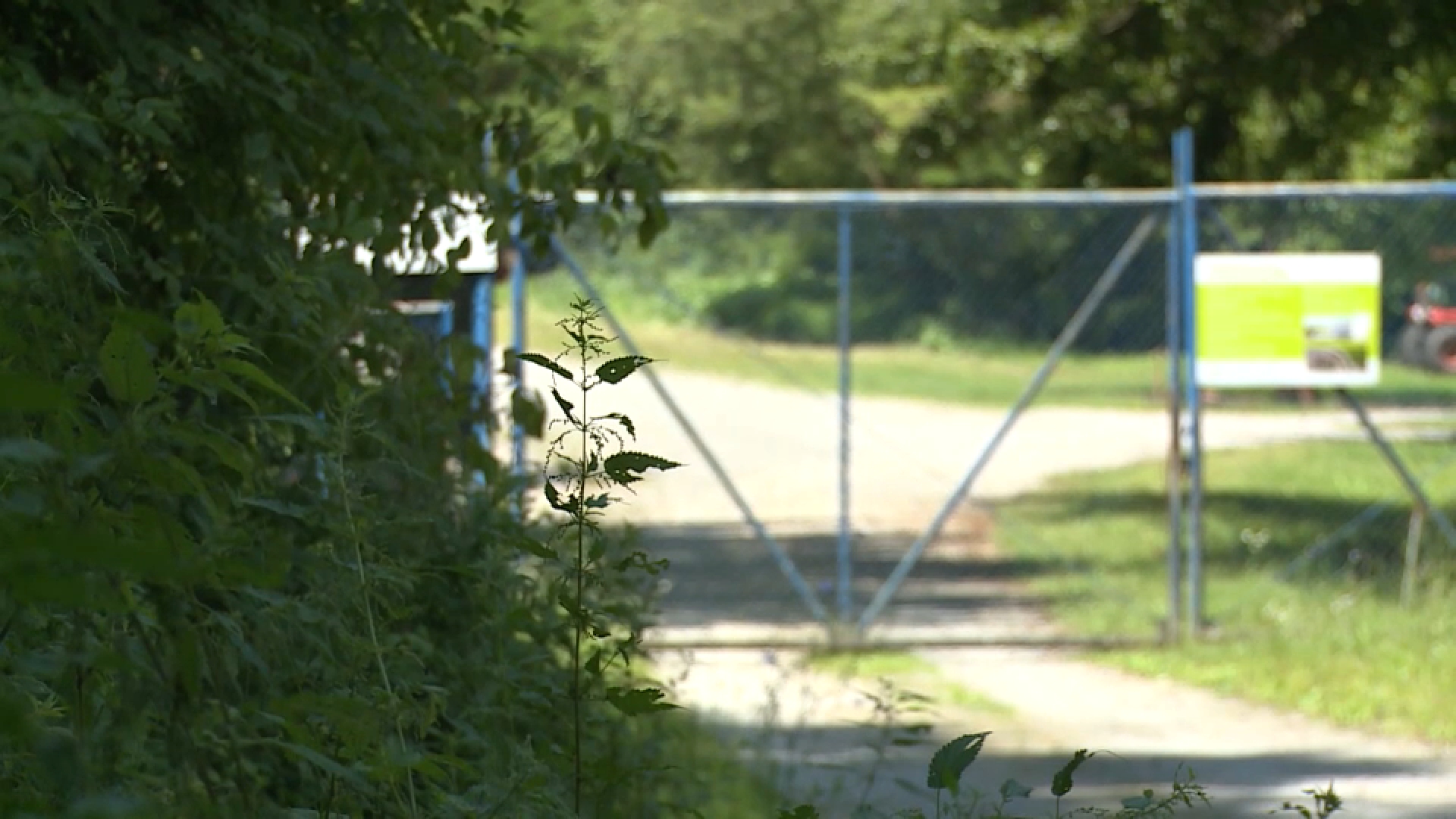
Bosnia and Herzegovina (BiH) has officially notified Croatia of its decision to participate in the cross-border environmental impact assessment (EIA) for the planned radioactive waste disposal center at Trgovska Gora. By joining this process, BiH secures legal rights to access comprehensive project documentation, submit formal observations, and participate in public consultations, as it continues to challenge the suitability of the location at Cerkezovac, near the border.
Bosnia’s involvement comes amid serious legal concerns raised by domestic experts. Nemanja Galic, a member of the BiH legal team for the protection of national interests, noted that Croatia’s procedural sequence is fundamentally flawed.
"Croatia decided on the exact location of the facility before completing the environmental impact assessment," Galic explained. "This approach renders the EIA study and cross-border consultations nearly meaningless, as the assessment should have preceded, not followed, the location decision." Galić further warned that these procedural lapses may constitute a violation of the Espoo Convention, EU regulations, and Croatian national law, potentially strengthening Bosnia’s position before international bodies.
While Croatia has yet to submit the final EIA study, expected in the fourth quarter of this yea, institutions within the Federation of BiH (FBiH) entity have already conducted independent research. According to the FBiH Ministry of Environment and Tourism, comprehensive studies involving the FBiH Hydrometeorological Institute and the FBiH Institute for Geology have consistently confirmed that the Trgovska Gora location is geologically and environmentally unsuitable for radioactive waste management. Particular concern has been voiced regarding the potential impact on the nearby Una National Park, an area of significant biodiversity that stakeholders aim to integrate into the European Natura 2000 protected network.
BiH is currently utilizing a multi-layered legal strategy adopted by the Council of Ministers in 2022. Submissions have already been directed to the bodies governing the Espoo, Aarhus, and Bern Conventions, as well as the Sava and Danube Commissions and the European Commission. Galic remains optimistic that international pressure, coupled with legal scrutiny, could yield results. "International bodies' opinions carry great weight. If the focus remains on legal arguments rather than politics, Bosnia’s chances of achieving concrete results increase," he stated.
Bosnian institutions emphasize that the most reasonable alternative remains for the radioactive waste to be managed in Slovenia, where it originated. As the project faces delays due to legal challenges from Sarajevo, officials continue to advocate for a solution that respects the environmental safety and concerns of the 250,000 citizens living on both sides of the border.
Kakvo je tvoje mišljenje o ovome?
Učestvuj u diskusiji ili pročitaj komentare


Kakvo je tvoje mišljenje o ovome?
Učestvuj u diskusiji ili pročitaj komentare