Srbija
 Hrvatska
 Slovenija

Serbia at UNSC: Mladic’s family organised funeral, Bosnia’s accusations lack Presidency consensus


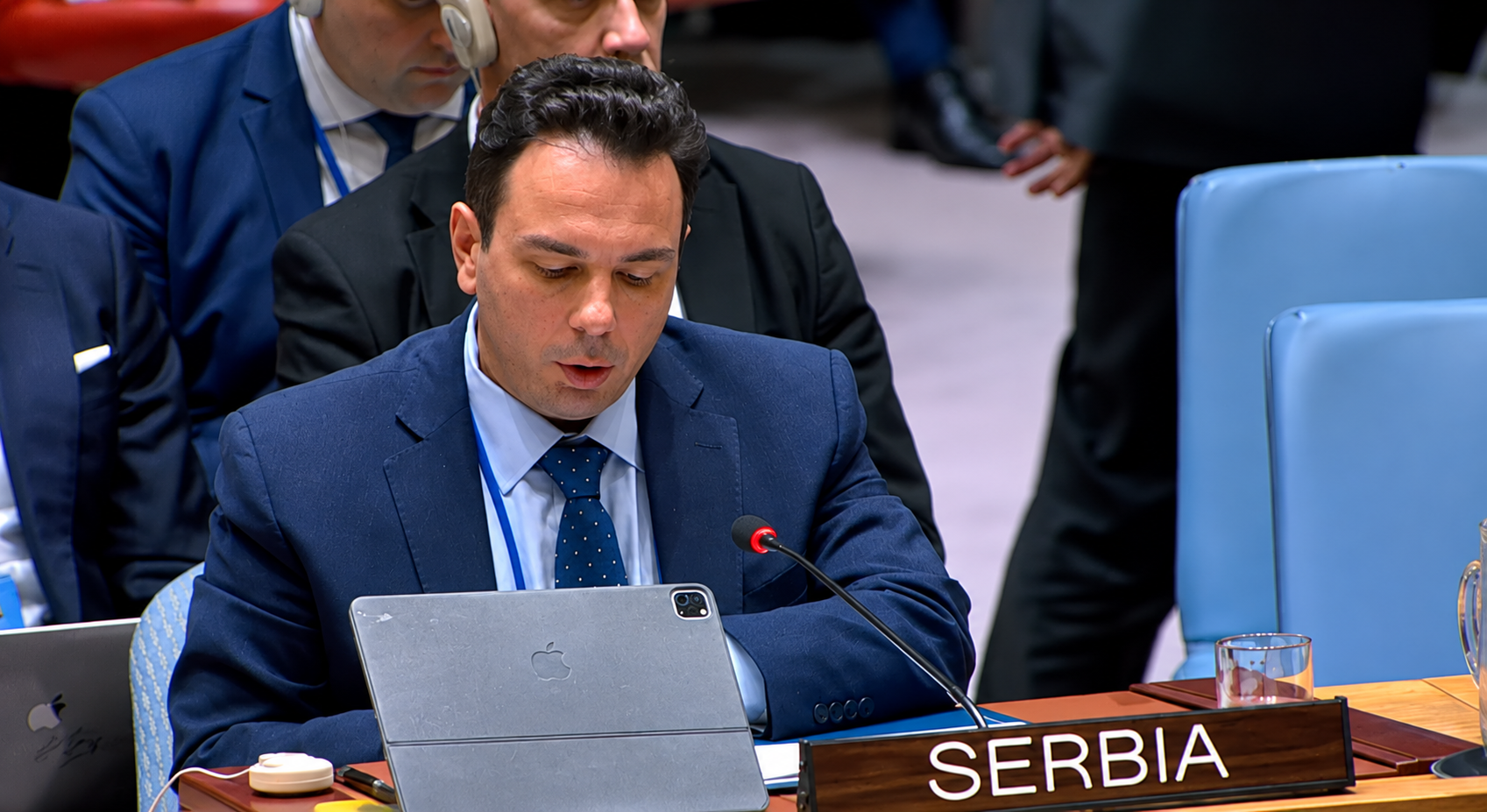
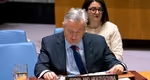
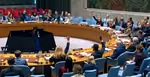
Serbia told the UN Security Council that Ratko Mladic’s funeral was organised by his family, with Serbian authorities providing logistical and security support, while challenging whether accusations made by Bosnia and Herzegovina’s Presidency Chairman represented an agreed state position.
Responding to criticism over the funeral, the Serbian representative said authorities had provided transport, logistical assistance and security to ensure that a large and sensitive public gathering took place safely.

“The accusations voiced here today also raise the questions of on whose behalf they have been made,” the representative said.
Serbia argued that speaking on behalf of Bosnia and Herzegovina required an agreed position within its collective Presidency, claiming that no such agreement existed for the address.
“In the absence of that agreement, as is the case today, it should be made explicit whose views are being expressed,” the representative said.
Dayton safeguards and domestic dialogue
Serbia reaffirmed its respect for Bosnia and Herzegovina’s sovereignty, territorial integrity and Dayton constitutional order: “One state, two entities and three equal constituent peoples with full respect for the rights of all citizens.”
Welcoming the successful conduct of the general elections, the representative argued that changes in officeholders had not reduced support for protecting entity powers.
Bosnia’s political difficulties therefore reflected deeper disagreements over how the country should function, Serbia said, calling for dialogue that builds confidence among all three constituent peoples.
It warned that bypassing Dayton’s safeguards in the name of efficiency could undermine cooperation within shared institutions.
Serbia said it was ready to strengthen cooperation with Bosnia’s state institutions and the Federation entity, while further developing its Dayton-based special parallel relations with Republika Srpska.
Srebrenica and inflammatory rhetoric
The representative criticised remarks attributed to Bosnia’s Defence Minister concerning Republika Srpska and references by other political figures to a “second half”, describing such language as irresponsible and inflammatory.
Serbia rejected rhetoric invoking a return to the conflicts of the 1990s and said it condemned every crime and honoured every victim regardless of ethnicity.
“For the Serb side, remembrance of Srebrenica demands humility and reverence for its victims,” the representative said.
However, Serbia argued that Srebrenica could not be the sole reference point for interpreting the war and the suffering of all three peoples.
“No national cause can justify a crime,” the representative added.
Serbia called for solutions based on domestic consensus and compromise, arguing that externally imposed outcomes would not be sustainable. It said it was closely following the selection of a new High Representative.
The representative also welcomed the unanimous renewal of EUFOR Althea’s mandate and expressed condolences over the helicopter crash near Brcko that killed four mission personnel.
Serbia concluded by expressing hope that the end of the electoral cycle would open a new phase of regional cooperation and progress towards a shared European future.
Kakvo je tvoje mišljenje o ovome?
Učestvuj u diskusiji ili pročitaj komentare


Kakvo je tvoje mišljenje o ovome?
Učestvuj u diskusiji ili pročitaj komentare