Srbija
 Hrvatska
 Slovenija

UNDP representative: SCORE findings show the real state of trust and relations in BiH


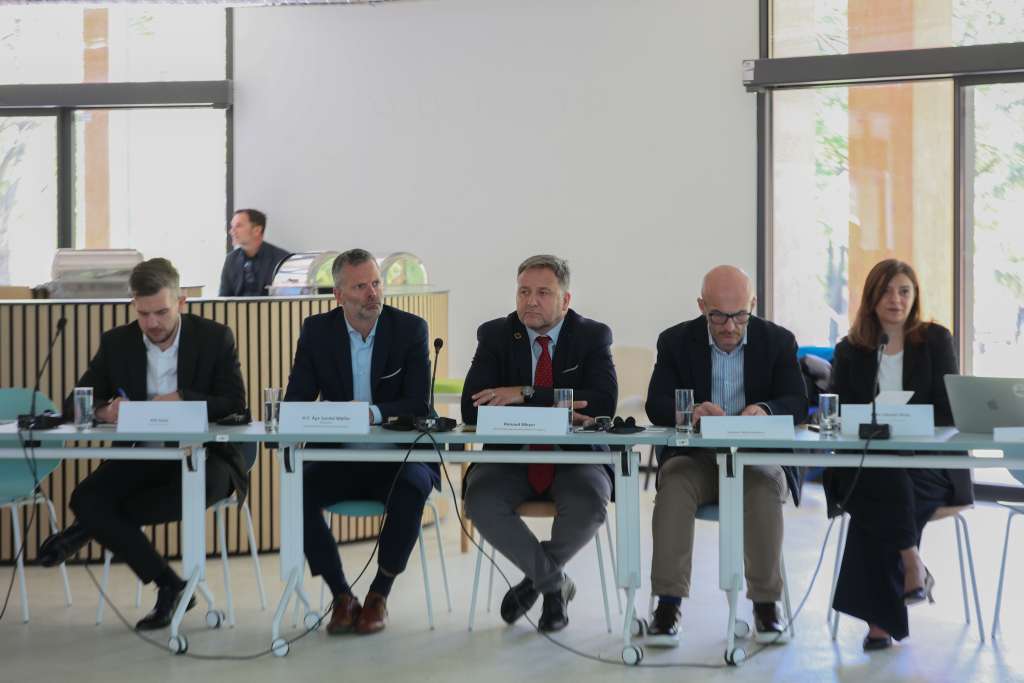
The Resident Representative of the United Nations Development Programme in Bosnia and Herzegovina, Renaud Meyer, emphasized that the findings of the Social Cohesion and Reconciliation Index (SCORE) represent an important tool for understanding relations, trust, and citizens' willingness to cooperate in Bosnia and Herzegovina. He stressed that in times of political tension and mistrust, key decisions must be based on reliable data rather than perceptions.
The event presenting the findings is being held today at the European House of Culture and National Minorities in Sarajevo, with the aim of showcasing the latest data on social cohesion in the country.
Speaking about the importance of the research ahead of the event, Meyer explained that SCORE enables a deeper understanding of how citizens live together, how much they trust one another and institutions, and where there is room and willingness to strengthen cooperation.
He noted that the results come at a particularly sensitive social and political moment, as public discourse in Bosnia and Herzegovina ahead of the October elections is increasingly shaped by mistrust, political tensions, and uncertainty about the future.
"This leads us to reflect that it is not only Bosnia and Herzegovina going through difficult times, but also the region and the world today. In such a context, serious decisions cannot rely solely on perception or rhetoric, they require a strong evidence base," he said.
Speaking about the content of the research, Meyer stated that it provides a realistic and evidence-based picture of everyday life and interpersonal relations in Bosnia and Herzegovina.
"At its core, the research offers a grounded and honest picture of everyday coexistence in the country. It allows us to see where trust is strong and where it is under pressure, how institutions are perceived, and how willing people are to engage in public life," Meyer explained.
He added that the findings also offer deeper insights into intergroup relations and challenges.
According to Meyer, this makes the analysis invaluable not only for institutions but also for local communities, civil society, development partners, and academia, essentially for anyone seeking to understand Bosnia and Herzegovina as it truly is.
Discussing the methodology, he pointed out that the research has a strong empirical foundation.
"The study was conducted at the end of last year on a sample of 3,800 respondents, including additional targeted samples in ten local communities, with a margin of error of just one percent, making it an exceptionally reliable indicator of social realities," he said.
He also highlighted the broader importance of social cohesion for development.
Meyer noted that the methodology has been internationally validated and tested in more than 14 countries, further confirming the credibility of the findings and giving the analysis additional weight.
In conclusion, he stressed that the key question is how the results will be used.
The event was organized as part of the project "Bridges of Trust: Advancing Social Cohesion and Resilience in Bosnia and Herzegovina", funded by the Ministry of Foreign Affairs of the Kingdom of Denmark and implemented by the United Nations Development Programme in Bosnia and Herzegovina in partnership with SeeD.
Kakvo je tvoje mišljenje o ovome?
Učestvuj u diskusiji ili pročitaj komentare


Kakvo je tvoje mišljenje o ovome?
Učestvuj u diskusiji ili pročitaj komentare