Srbija
 Hrvatska
 Slovenija

BFMI study exposes coordinated digital manipulation in Bosnia’s election


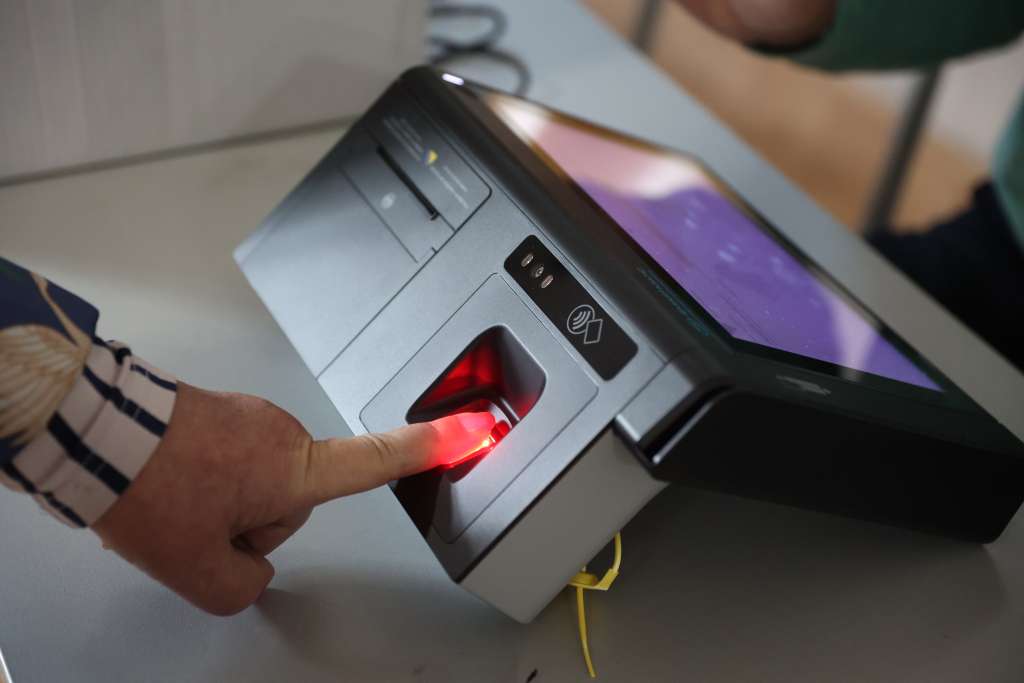
A coordinated network of inauthentic social media accounts attempted to create the illusion of widespread grassroots backing for the ruling party in Republika Srpska during Bosnia and Herzegovina's 4 October election campaign, according to a joint investigation by the Balkan Free Media Initiative (BFMI) and Clemson University's Media Forensics Hub.
The findings were detailed in a report published today entitled "False Chorus: Monitoring Coordinated Inauthentic Behaviour in a Politically Captured Environment".
Investigators discovered that approximately two dozen fake accounts on X (formerly Twitter), structured into ten separate clusters, actively promoted the Alliance of Independent Social Democrats (SNSD). Concurrently, 49 matching accounts on Facebook flooded the comment sections of established media outlets, including broadcasters affiliated with the ruling establishment. The operation manufactured a sense of broad public support for the SNSD while attempting to discredit political opponents and election authorities. Neither X nor Meta has publicly reported taking action regarding the Bosnian election.
"This small cross-platform network of coordinated inauthentic accounts was quite targeted. It has been intervening for months in many local news conversations in Bosnia, especially in Republika Srpska, making pro-SNSD opinions and narratives seem more commonly held and more prominent than they would otherwise have been," said Patrick Warren, Co-Director of the Media Forensics Hub at Clemson University.
Unlike large-scale digital manipulation previously documented by BFMI in Bulgaria earlier this year, the Bosnian operation prioritized structural resilience over sheer volume. By deploying separate clusters mirrored across multiple platforms, the network proved significantly more difficult to detect and dismantle.
Researchers warn that similar tactics could be deployed in Serbia ahead of its upcoming elections on 25 October. The investigation identified notable similarities to past digital operations linked to Serbia’s governing party. In February 2023, Meta removed over 6,000 Facebook and Instagram accounts associated with the Serbian Progressive Party's "Internet Team," which used fake profiles to manufacture what Meta described as "a perception of widespread and authentic grassroots support" for President Aleksandar Vucic and his party.
As an EU candidate country, Bosnia and Herzegovina remains outside the scope of the European Union's Digital Services Act, leaving domestic authorities without legal mechanisms to hold major tech platforms accountable, a regulatory gap that also affects Serbia.
"We know from Bulgaria that platforms can act quickly when the evidence is put in front of them. The question for Meta and X now is whether they will do the same for Serbia before 25 October," stated Peter Horrocks, Chair of the Balkan Free Media Initiative.
BFMI Director Antoinette Nikolova emphasized the broader regional implications of the findings. "Bosnia should not be treated as a peripheral election. What happens in the Western Balkans is an early warning for Europe, and with Serbia voting in less than three weeks, platforms and EU institutions need to be paying attention now," Nikolova noted.
BFMI and the Media Forensics Hub confirmed they will actively monitor the ongoing election campaign in Serbia.
Kakvo je tvoje mišljenje o ovome?
Učestvuj u diskusiji ili pročitaj komentare


Kakvo je tvoje mišljenje o ovome?
Učestvuj u diskusiji ili pročitaj komentare