Srbija
 Hrvatska
 Slovenija

Bosnia and Herzegovina braces for extreme heat as temperatures near 40°C, red weather alerts issued


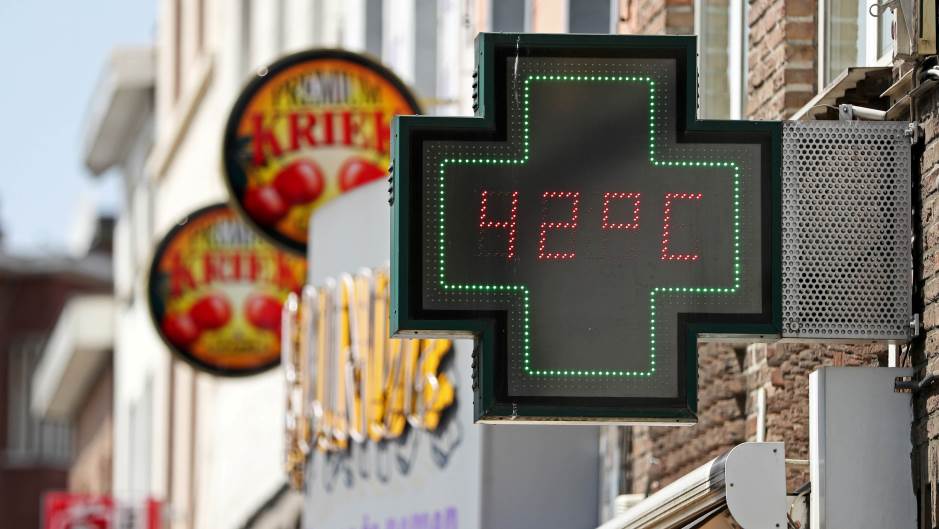
Bosnia and Herzegovina is experiencing its first heatwave of the summer, with temperatures expected to climb as high as 40 degrees Celsius in parts of the country. While the weather is forecast to remain predominantly sunny and very hot, conditions will not be completely stable, with local thunderstorms, heavy showers and possible hail expected to develop in some areas during the afternoon. The highest chance of precipitation is forecast for Krajina, southwestern and central Bosnia, while thunderstorms are also possible in eastern Herzegovina and southeastern Bosnia.
A red weather alert has been issued for the Banja Luka, Prijedor and Višegrad regions for Monday and Tuesday due to extreme temperatures, while orange alerts remain in effect across the rest of the country. Authorities have urged residents to take all necessary precautions, protect themselves from the heat, assist vulnerable people and follow official guidance. They also warned that the extreme temperatures could cause disruptions to infrastructure.
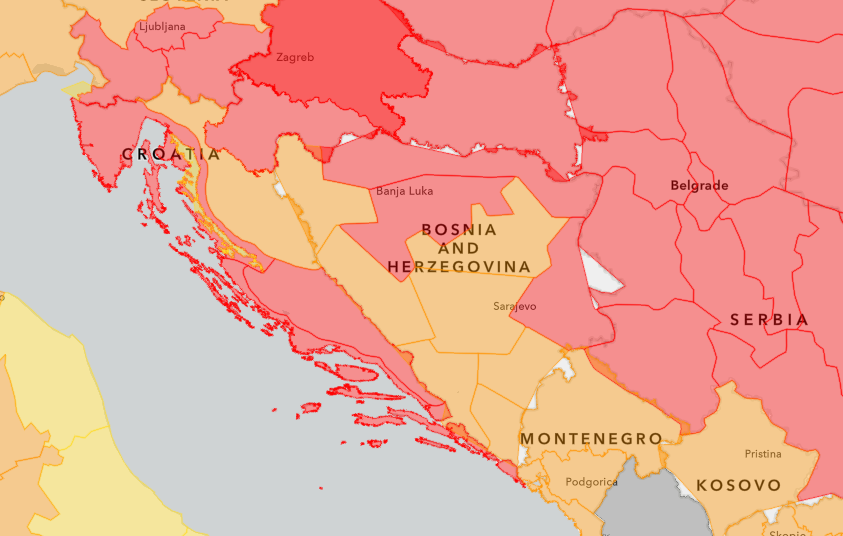
The heatwave affecting Bosnia and Herzegovina is part of a broader spell of extreme temperatures across Europe, where several countries have recorded new heat records. Referring to the ongoing situation, World Health Organization Director-General Tedros Adhanom Ghebreyesus described heat stress as a "silent killer", warning that European homes, workplaces and schools were not built for such temperatures. He said Europe is warming twice as fast as the global average and noted that hundreds of people have died, schools have been closed and infrastructure has been affected during the current heatwave.
Medical professionals are also urging citizens to take the warnings seriously. Dr. Jasmina Hanjalic, a long-serving emergency physician in Sarajevo, said yellow and red weather alerts should not be ignored and advised people to postpone demanding activities and travel whenever possible. She stressed that older people and those with cardiovascular disease are particularly vulnerable because age and arterial plaque reduce the elasticity of blood vessels, making it harder for the body to adapt to sudden temperature changes.
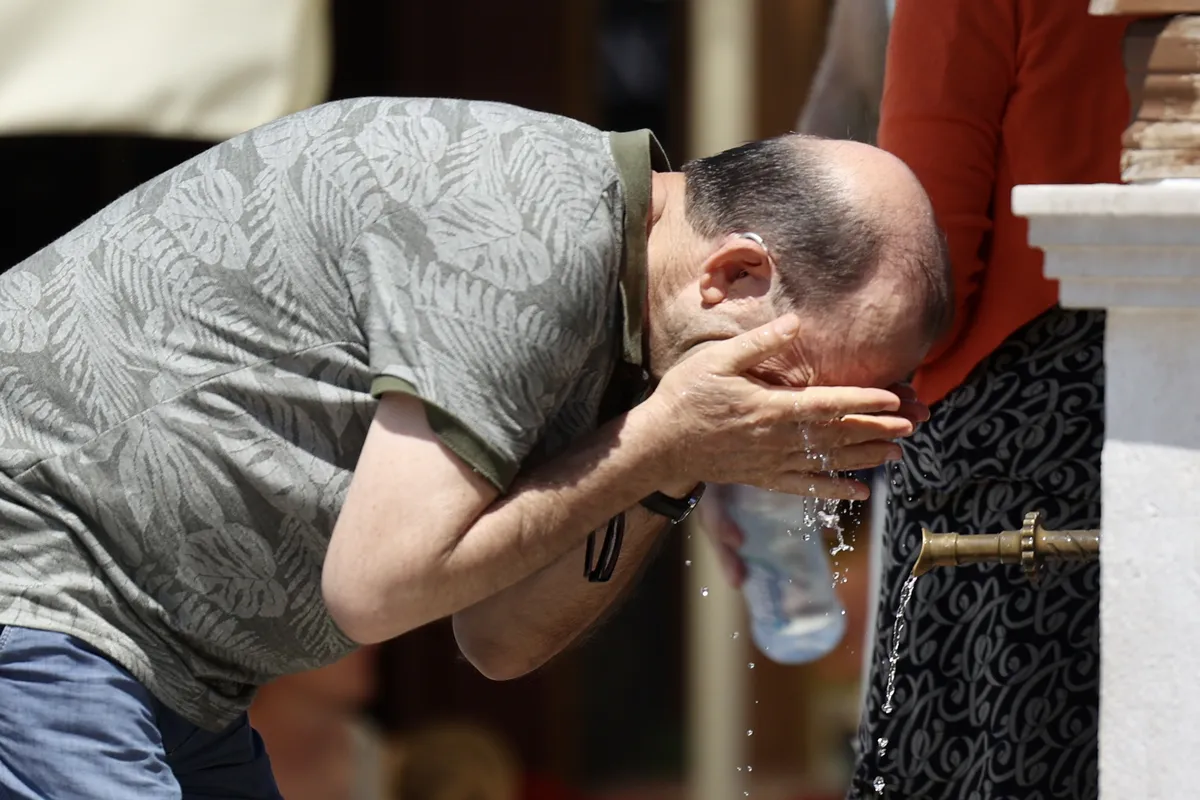
Dr. Hanjalic also cautioned against the blanket recommendation that everyone should simply drink as much water as possible. While hydration remains important, she said patients with kidney disease should consult their nephrologists and those with heart conditions should seek advice from their cardiologists, as excessive fluid intake may also pose health risks. As a simple way to monitor hydration, she advised people to pay attention to how often they urinate compared with normal days, taking increased sweating into account, and to check whether their tongue is dry or coated, which may indicate dehydration.
Kakvo je tvoje mišljenje o ovome?
Učestvuj u diskusiji ili pročitaj komentare


Kakvo je tvoje mišljenje o ovome?
Učestvuj u diskusiji ili pročitaj komentare