Srbija
 Hrvatska
 Slovenija

Bosnia proposes temporary fix for truck drivers hit by EU's 90/180-day rule


Bosnia and Herzegovina has proposed a temporary solution to the European Commission that would allow professional truck drivers to continue working in the European Union without being affected by Schengen short-stay limits until a long-term visa system is introduced.
The proposal was presented on August 4 during the fifth meeting of the European Commission's working group on the issue, attended by representatives of the Commission's Directorate-General for Mobility and Transport (DG MOVE), the Directorate-General for Migration and Home Affairs (DG HOME), and officials from the Western Balkans.


According to Bosnia's Ministry of Communications and Transport, the proposal would allow professional drivers from Bosnia and Herzegovina to restart the calculation of their permitted stay in EU member states pending the establishment of a long-term visa regime.
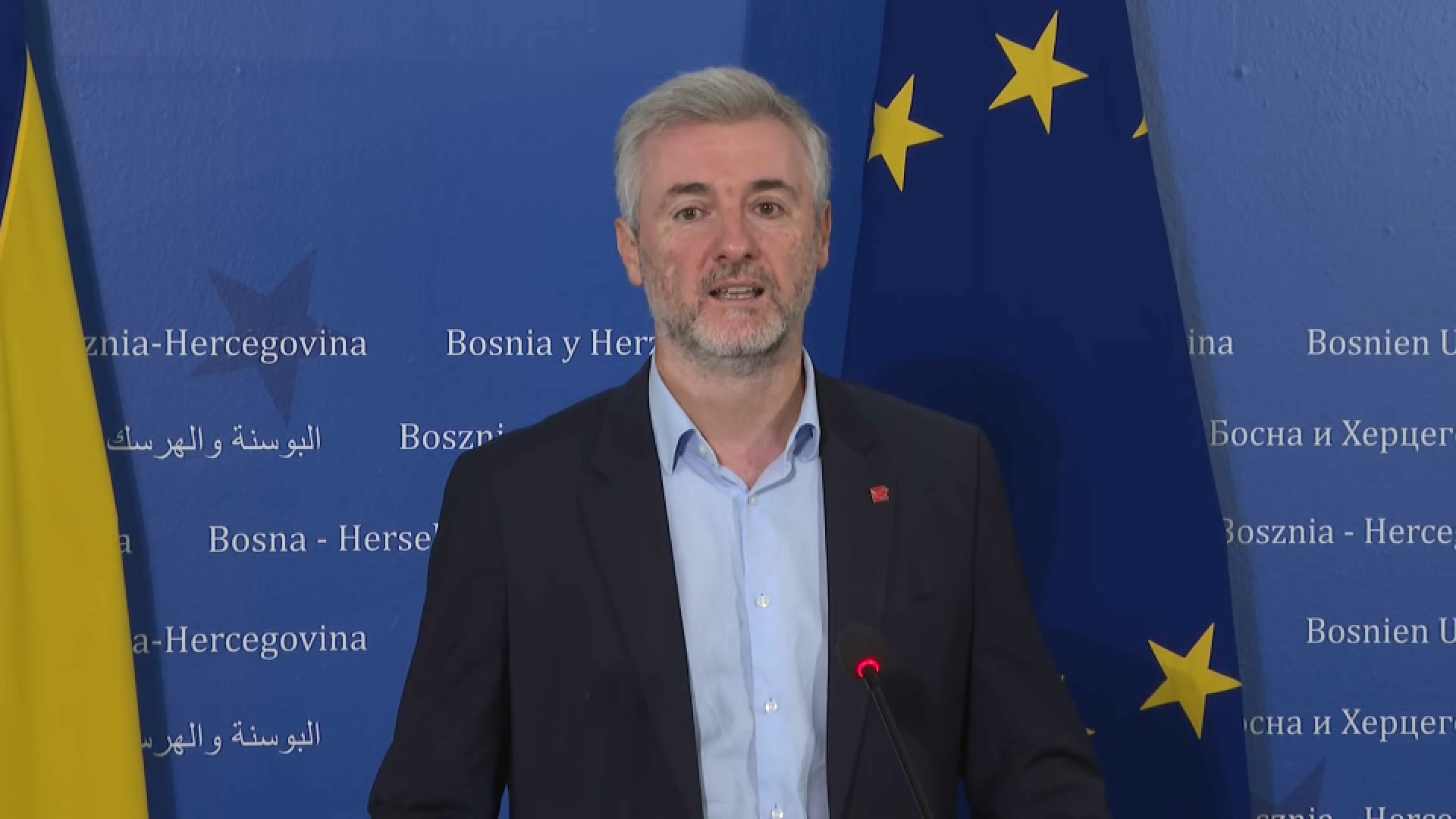
"Professional drivers are not asking for privileges. They are asking to be able to do their jobs without administrative obstacles that threaten both their livelihoods and European supply chains," Transport Minister Edin Forto said in a statement.
"That is why we have proposed a temporary, practical and implementable solution that will allow our drivers to continue working until a long-term visa system is established. This is not only an issue for Bosnia and Herzegovina - it is a matter of ensuring the functioning of international transport and the fair treatment of the people who connect the European market," he added.
The ministry stressed that international road freight transport is a key component of Bosnia's economic links with the European Union, noting that professional drivers travel to EU countries solely to transport goods rather than to settle or access social welfare systems.
It warned that an increasing number of drivers have recently been denied entry, detained or deported because of the application of the Schengen 90/180-day rule, creating serious difficulties for transport companies and regional supply chains.
Bosnia therefore urged the European Commission to consider adopting implementing measures or guidelines within the existing legal framework that would allow greater flexibility for professional drivers without requiring changes to EU legislation.
Several proposals were discussed during the meeting, including a Serbian initiative to calculate drivers' permitted stay in hours rather than days. However, European Commission representatives said such a solution is currently not feasible under the existing Schengen legal framework and the technical limitations of the EU's Entry/Exit System (EES).
The ministry said it would continue working with the European Commission, the Transport Community and Western Balkan partners to find a permanent legal solution that would enable professional drivers to work without unnecessary administrative barriers.
Kakvo je tvoje mišljenje o ovome?
Učestvuj u diskusiji ili pročitaj komentare


Kakvo je tvoje mišljenje o ovome?
Učestvuj u diskusiji ili pročitaj komentare