Srbija
 Hrvatska
 Slovenija

DNA paternity tests in Republika Srpska reveal doubts are valid in up to 30 percent of cases


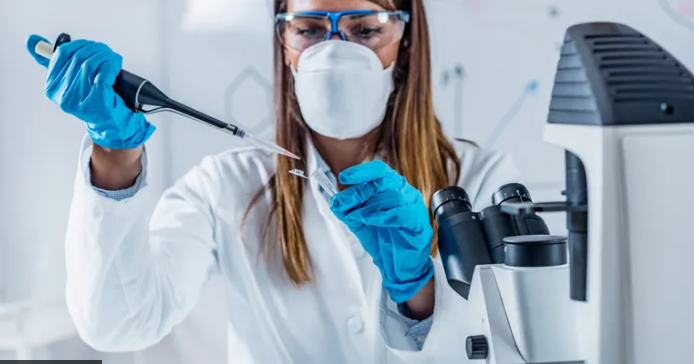
DNA paternity testing conducted at the Republika Srpska Institute of Forensic Medicine indicates that between 25 and 30 percent of tested individuals find their suspicions confirmed, according to Institute Director Zeljko Karan.
The facility performs two primary categories of DNA analyses, encompassing forensic evaluations of biological traces gathered during criminal investigations alongside private and court-ordered paternity determinations. Karan noted that forensic casework involves processing biological samples collected either directly within the laboratory as undisputed references or submitted from crime scenes across the field.
Regarding paternity verification, requests reach the institute through official court orders as well as direct submissions from citizens seeking to resolve biological kinship questions. Court-mandated tests typically connect to proceedings involving the recognition or contestation of paternity, maintenance claims, and divorce lawsuits. Citizens also initiate private tests independently without launching formal legal proceedings to obtain conclusive answers.
Modern DNA profiling delivers unambiguous determinations of biological parentage, unlike older methods that only excluded paternity within a certain degree of probability. Karan emphasized that DNA analysis provides an absolute and unequivocal answer regarding whether an individual is the biological father of a child.
Addressing the statistical findings, Karan explained that the institute aligns with global averages where suspicions of disputed paternity prove accurate in approximately a quarter to a third of tested cases. However, he cautioned against misinterpreting these figures as representative of the broader population.
The director stressed that the 25 to 30 percent confirmation rate applies exclusively to individuals who already possess a reason to suspect their biological paternity and choose to undergo testing. Establishing an accurate population-wide average would necessitate a comprehensive study involving several thousand families and between 7,000 and 8,000 individual samples.
Kakvo je tvoje mišljenje o ovome?
Učestvuj u diskusiji ili pročitaj komentare


Kakvo je tvoje mišljenje o ovome?
Učestvuj u diskusiji ili pročitaj komentare