Srbija
 Hrvatska
 Slovenija

Srebrenica Memorial Center releases 2026 Report documenting surge in genocide denial cases


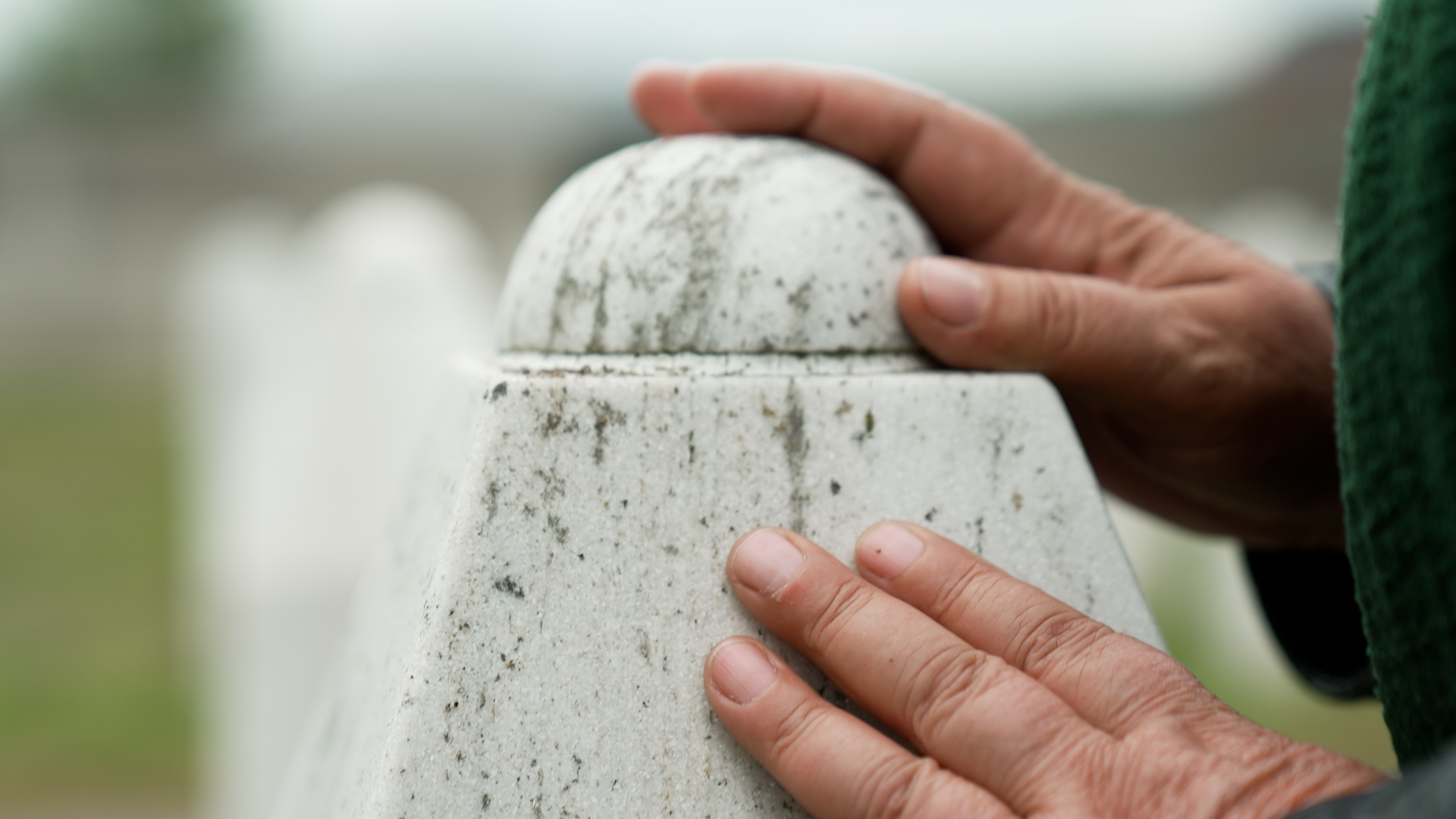
The Srebrenica Memorial Center presented the 2026 Genocide Denial Report in Sarajevo, documenting 149 instances of genocide denial and relativization concerning Bosniaks across Bosnia and Herzegovina, Serbia, and the wider regional public sphere. This marks the seventh consecutive year the institution has conducted systematic monitoring of genocide denial.
The recorded figure represents a significant increase compared to the 99 cases logged during the previous monitoring period, demonstrating that denial remains deeply entrenched within politics, media, institutions, culture, and daily life despite amendments to the Criminal Code of Bosnia and Herzegovina introduced in 2021.
Categorization within the report shows that active denial or outright rejection of the genocide accounted for the largest share with 94 cases. Relativization, justification, or comparison of the genocide with other war crimes was recorded in 23 instances, while support for perpetrators without direct mention of the genocide appeared in 21 cases.
Furthermore, nine instances acknowledged the atrocities while disputing the legal qualification of genocide, and two cases involved triumphalism and celebration of the committed acts. The report highlights that digital platforms serve as an increasingly common vector for spreading denial content, where posts are frequently deleted before investigative bodies can archive their material and authorship.
Media outlets and political figures were identified among the most frequent sources of denial. The tabloid Informer led media sources with 24 documented cases, followed by Politika with seven and Alo with six. Public statements and activities by Milorad Dodik and Branimir Kojic accounted for ten cases each, while Gideon Greif and Vojislav Seselj were linked to four cases each. Aleksandar Pavic, Nenad Kecmanovic, and Sputnik were each associated with three recorded instances. The authors note that denial manifests through direct statements alongside the glorification of convicted war criminals, the awarding of public accolades, murals, nationalist songs, sports chanting, and targeted media narratives.
Institutional denial involving public officials and state bodies, particularly within Republika Srpska and Serbia, received explicit focus in the assessment. The document details political declarations, institutional backing of convicted war criminals, pseudoscientific publications, and public events designed to praise perpetrators, leading researchers to conclude that denial operates as a structured and systemic phenomenon rather than isolated incidents.
Regarding legal accountability, the report evaluates the enforcement of legislative amendments criminalizing genocide denial and the glorification of legally convicted war criminals. Although individual rulings and proceedings occurred during the reporting period, the volume of prosecuted cases remains disproportionately low relative to the massive number of documented infractions, including analyzed cases involving Miodrag Malic, Vojin Pavlovic, and Vlasenica municipal head Miroslav Kraljevic. The authors warn that a lack of consistent institutional enforcement signals impunity for offenders.
Public space violations also persist through murals, graffiti, memorial plaques, merchandise bearing war criminal imagery, and inflammatory chants at public gatherings, with local institutions frequently deflecting responsibility for their removal.
Srebrenica Memorial Center Director Emir Suljagic stated in the report that genocide denial constitutes an explicit assault on the rule of law, judicial authority, and the foundational principle that historical facts exist independently of political agendas. The Memorial Center affirmed its commitment to documenting every instance of denial, expanding educational programs, and insisting on facts established by domestic and international tribunals, concluding that combating denial requires rigorous prosecution, responsible journalism, and definitive institutional condemnation.
╰┈➤ Program N1 televizije možete pratiti UŽIVO na ovom linku kao i putem aplikacija za Android /iPhone/iPad
Kakvo je tvoje mišljenje o ovome?
Učestvuj u diskusiji ili pročitaj komentare


Kakvo je tvoje mišljenje o ovome?
Učestvuj u diskusiji ili pročitaj komentare
NAJČITANIJE










Najnovije






ZDRAVLJE




LIFESTYLE





SHOWBIZ

N1 KVIZ