Srbija
 Hrvatska
 Slovenija

Pettigrew: Failure to respond to genocide denial undermines hope for transitional justice in BiH


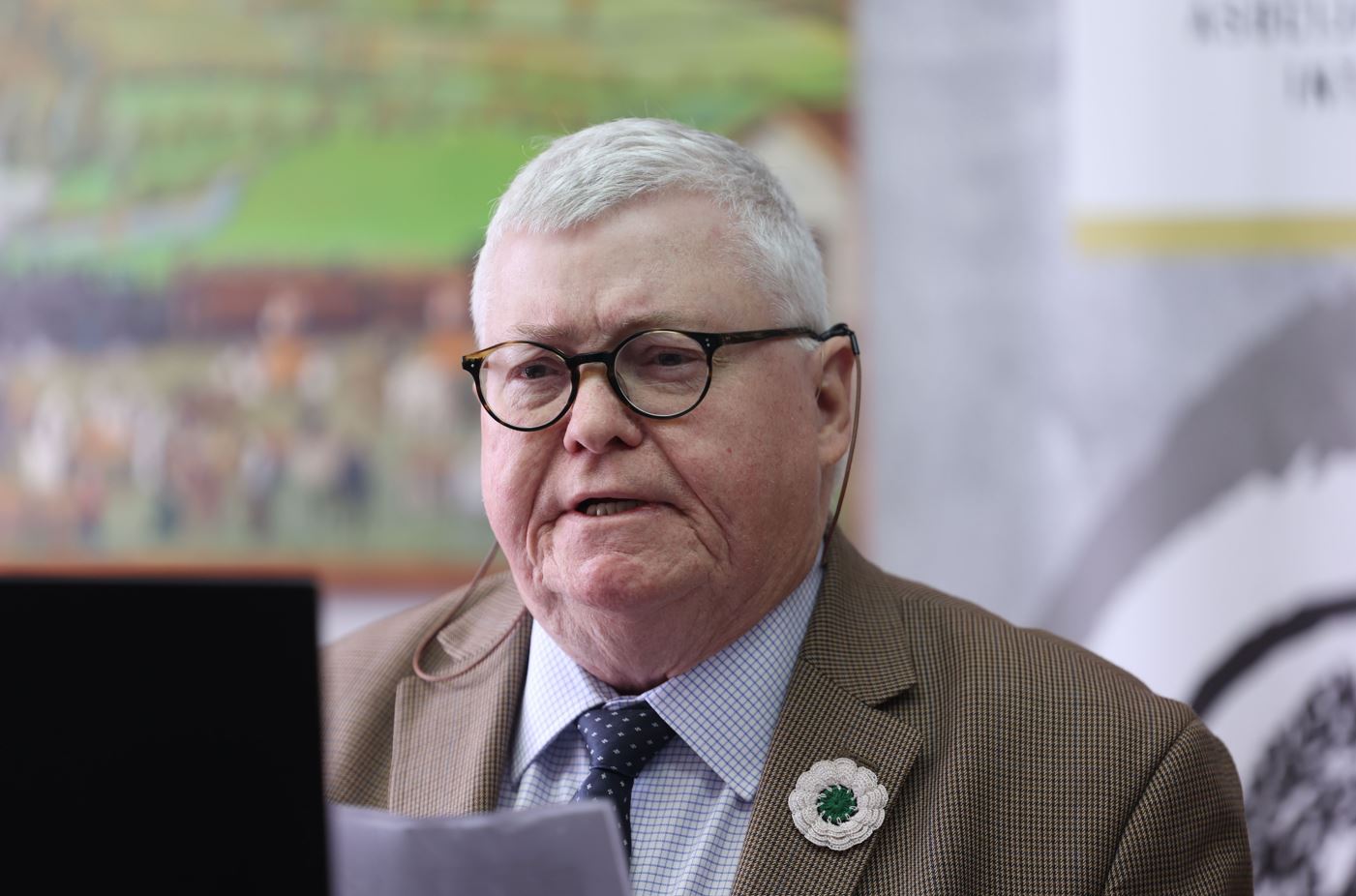
As we mark the anniversary of the Srebrenica genocide, we preserve and reaffirm the truth about the genocide while paying tribute to its victims. However, despite the United Nations resolution establishing the International Day of Reflection and Commemoration of the 1995 Srebrenica Genocide and the landmark amendments to the Criminal Code of Bosnia and Herzegovina imposed by the High Representative in 2021, it is deeply concerning that genocide denial and the glorification of convicted war criminals continue unchecked, undermining hope for transitional justice in Bosnia and Herzegovina, David Pettigrew, Professor of Philosophy and Holocaust and Genocide Studies at Southern Connecticut State University, told FENA.
Pettigrew stressed that, in addition to denying the Srebrenica genocide, the authorities in Republika Srpska have obstructed the installation of memorials at sites where crimes legally recognized as war crimes were committed. These include the Barutni Magacin facility in Kalinovik, the Kravica Warehouse, and the Pilica Cultural Centre, locations where crimes forming part of the Srebrenica genocide were carried out.
"The fact that permission has not been granted to erect a memorial to the 102 children who were victims of crimes committed in the municipality of Prijedor in 1992 should be a profound source of shame for the international community. Likewise, it should be deeply shameful that, although the Partizan Sports Hall was the site of unimaginable crimes committed against women and girls, crimes that led to a landmark ICTY judgment, a memorial plaque on the building and a permanent memorial have still not been permitted," Pettigrew said.
He further argued that "it is evident that the international community and the European Union have abandoned their responsibility to uphold the values of transitional justice", noting their failure to support either the memorial to the murdered children in Prijedor or the installation of a commemorative plaque on the building in Foca.
According to Pettigrew, this shameful lack of action is making it increasingly difficult to achieve transitional justice and foster a culture of remembrance in Bosnia and Herzegovina that could help prevent such crimes from recurring.
Although Ratko Mladic was convicted of genocide for crimes committed in Srebrenica, Pettigrew noted that there has been a complete lack of political will, or, as he put it, moral courage, to remove the mural at the entrance to Kalinovik portraying Mladic as a hero. The mural, which was installed illegally, violates Bosnia and Herzegovina's Criminal Code prohibiting the glorification of convicted war criminals, as well as the universal principles of transitional justice.
Pettigrew believes that "the lack of support for transitional justice initiatives may perhaps be attributed to the recent shift in US foreign policy toward Bosnia, which appears to prioritize transactional business arrangements or political accommodation over values, human rights, and social justice".
Despite these challenges, he emphasized, it is essential not to abandon the values and hope embodied by transitional justice. Transitional justice places the dignity of victims and the human rights of survivors at its core, calling for victims to be honored through appropriate memorials and commemorations to help ensure that such crimes are never repeated.
"Our commitment to transitional justice must not waver, especially as we commemorate the anniversary of the Srebrenica genocide in 2026," Pettigrew said.
Kakvo je tvoje mišljenje o ovome?
Učestvuj u diskusiji ili pročitaj komentare


Kakvo je tvoje mišljenje o ovome?
Učestvuj u diskusiji ili pročitaj komentare