Srbija
 Hrvatska
 Slovenija

Central Bank of Bosnia and Herzegovina officially applies for SEPA membership


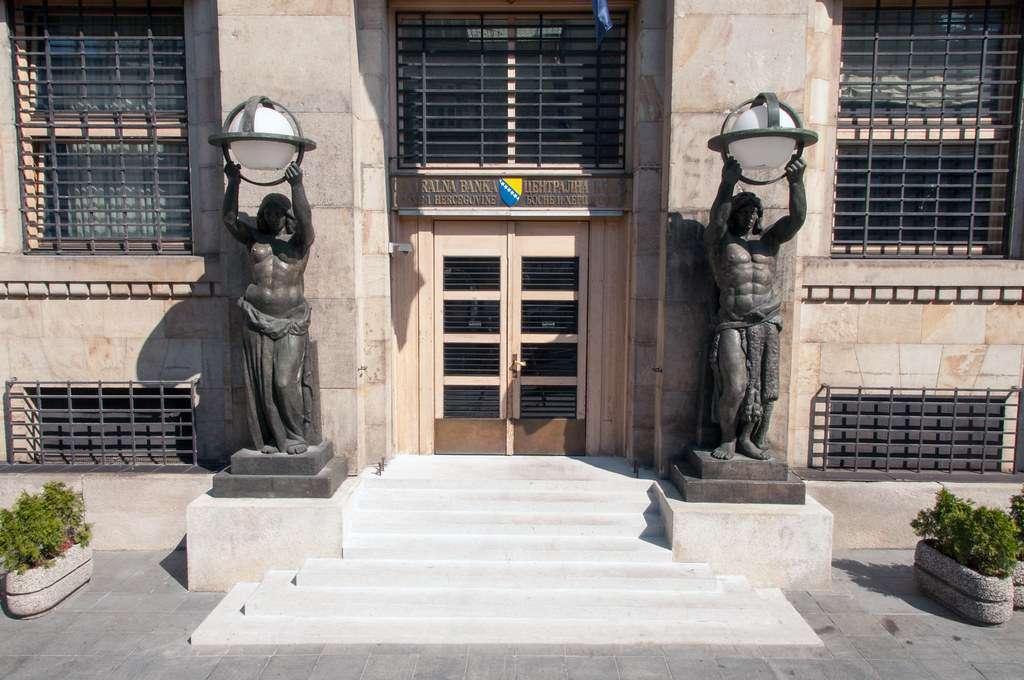
The Central Bank of Bosnia and Herzegovina (CBBH) officially submitted its application today to join the Single Euro Payments Area (SEPA), marking one of the most significant steps in the country's integration into the European payments market.
The CBBH launched the SEPA integration process two years ago and identified it as one of its strategic priorities. As coordinator of the process through the Coordination Committee for SEPA Accession (KOSP), the central bank worked closely with domestic and international institutions to coordinate all stages of the process and ensure that the conditions for membership were met.

The European Payments Council (EPC) and other relevant European bodies will now begin reviewing the submitted documentation. The process includes a detailed assessment of the application, possible requests for additional information or clarifications, and a final decision on Bosnia and Herzegovina's admission to the SEPA area.
Once membership is approved, a phase of technical, operational and organisational preparations will follow. The CBBH will coordinate these activities with all relevant institutions and provide support to market participants. Commercial banks will need to align their IT infrastructure and business processes with SEPA standards and join the relevant European payment schemes. Although much of the preparatory work has already been completed, a significant portion of these activities can only begin after formal admission. As a result, the first SEPA transactions are expected no earlier than six months after Bosnia and Herzegovina joins the Single Euro Payments Area.
The SEPA area currently includes all 27 European Union member states, along with 14 other European countries, including the United Kingdom, Switzerland, Albania, Serbia, North Macedonia and Montenegro.
Joining SEPA is expected to bring substantial benefits to citizens, businesses and the financial sector as a whole. The most significant advantage will be faster, more secure and considerably cheaper cross-border euro payments. In Western Balkan countries that have already joined SEPA, fees for certain international payments have fallen by between 50 and 94 percent. According to World Bank estimates, Bosnia and Herzegovina could save around €100 million in payment fees.
For the country's citizens, SEPA membership will mean that remittances and other euro payments can be transferred more quickly and at lower cost. This is particularly significant because most of the Bosnian diaspora lives in SEPA countries and sends around 4 billion convertible marks (KM) to Bosnia and Herzegovina each year.
At the same time, SEPA accession is expected to contribute to the modernisation of the country's payment system, foster the development of digital financial services, and strengthen the resilience and competitiveness of the financial sector.
Kakvo je tvoje mišljenje o ovome?
Učestvuj u diskusiji ili pročitaj komentare


Kakvo je tvoje mišljenje o ovome?
Učestvuj u diskusiji ili pročitaj komentare