Srbija
 Hrvatska
 Slovenija

Only handful of convictions secured 34 years on from Biljani village massacre


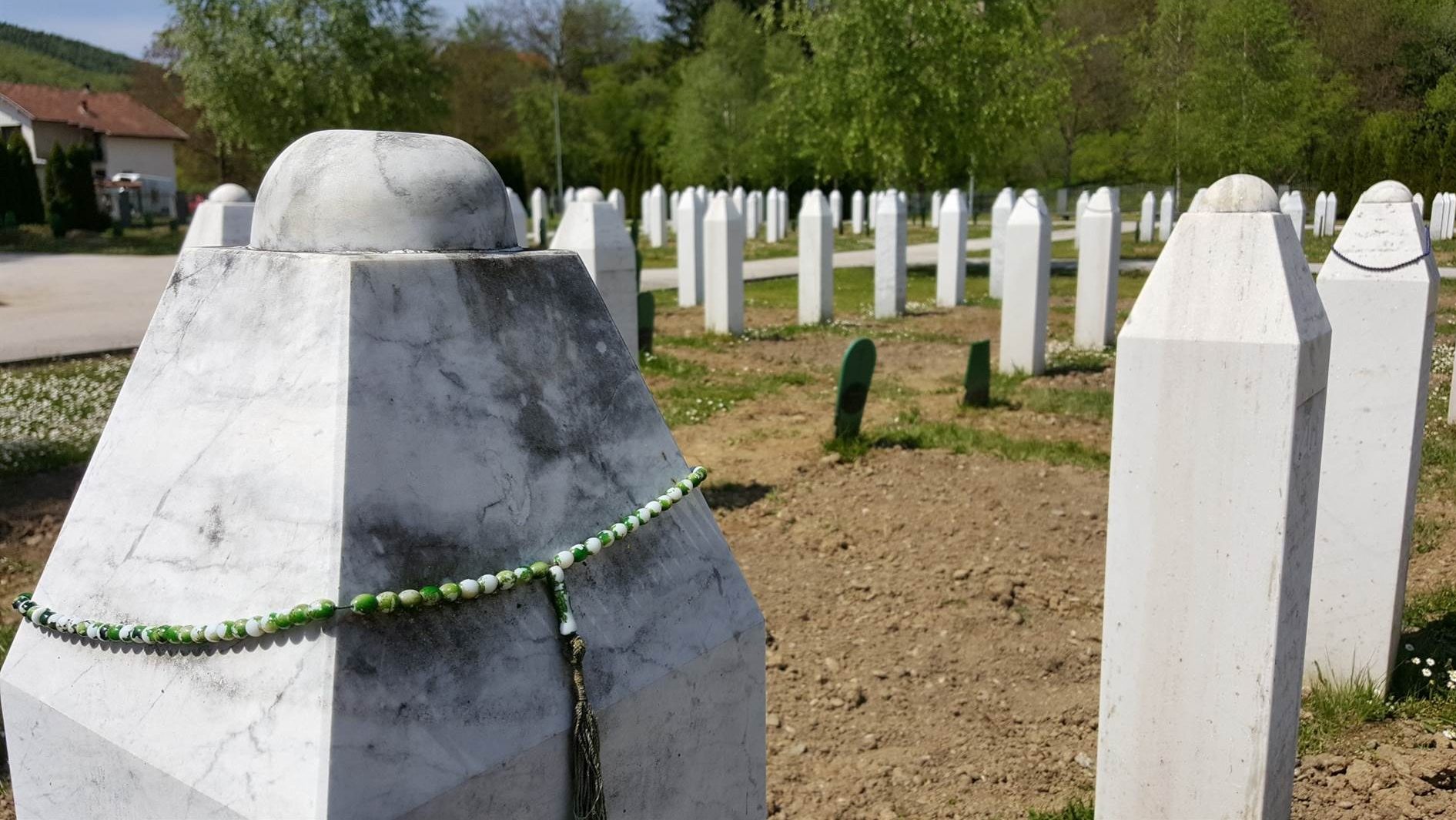
The Association for Social Research and Communications (UDIK) has marked the anniversary of the war crime committed in Biljani, near Kljuc, pointing out that around 260 Bosniak civilians were slaughtered during the assault on the village on 10 July 1992, whilst only a small number of perpetrators have ever faced final convictions.
The onslaught against Biljani was mounted by the 17th Light Infantry Brigade of the Army of Republika Srpska, working alongside reserve and active police officers from the Sanica Police Department, UDIK confirmed in a statement. According to figures from the Missing Persons Institute of Bosnia and Herzegovina, the mass graves containing the victims from Biljani were predominantly uncovered in late 1995 and throughout 1996. The largest burial site was the Laniste I pit, where the remains of 188 victims were exhumed between 5 October and 15 November 1996. Amongst the dead was three-month-old baby Amila Džaferagić, killed alongside her four-year-old brother Almir. Both children were discovered clutched in the arms of their mother, Besima.
In 2020, UDIK documented what it notes is the sole judgment delivered to date specifically concerning the Biljani massacre, in which Marko Samardzija was convicted before the Court of Bosnia and Herzegovina. Serving as commander of the Third Company of the Sanica Battalion within the 17th Light Infantry Brigade, Samardzija, along with fellow soldiers and police officers, ordered Bosniak civilian men from the hamlets of Brkici and Balagica Brdo to leave their homes and march to the Jezerine meadow on 10 July 1992. He met them there with armed troops, falsely informing the civilians they were being taken to the local school in Biljani for questioning. Around 50 men aged between 18 and 60 had their hands bound behind their backs, were marched to the school, and handed over to an unidentified police sergeant before being locked inside.
According to the judgment by the Appellate Division of the Court of Bosnia and Herzegovina, Samardzija, acting with full knowledge of a widespread and systematic attack directed against the civilian population, carried out imprisonment and severe deprivation of physical liberty in breach of fundamental international law. He was originally handed down a 26-year prison sentence, though this was slashed to seven years on appeal.
Aside from Marko Samardzija, members of the Kljuc Crisis Staff, Marko Adamovic and Bosko Lukic, stood trial and received a combined total of 32 years behind bars for crimes against humanity across the wider Kljuc area. Crucially, however, they were cleared of charges relating specifically to the Biljani attack. The Prosecutor's Office of Bosnia and Herzegovina also indicted the former commander of the 17th Light Infantry Brigade, Drago Samardzija, over the Biljani atrocity, but proceedings never got underway. He died in Serbia in 2021.
Active proceedings are currently taking place before the Court of Bosnia and Herzegovina against Jovo Kevac, Braco Maric, Dragan Vukic, Ranko Samardzija, Savo Jokic, Miso Adamovic, and Milorad Kaurin. They stand accused of taking part in a widespread and systematic attack during which 250 Bosniak men from Biljani were killed on 10 July 1992.
UDIK warns that despite the tragic fates of baby Amila, her brother Almir, and other murdered youngsters, these atrocities are still being denied, convicted war criminals continue to be glorified, and the victims are routinely demeaned. The organisation also cautioned that with this being an election year, various political tactics are being deployed to cling to power. As a consequence, they expect ongoing denial of the genocide and other war crimes, alongside the manipulation of facts and the intimidation of returning communities.
Kakvo je tvoje mišljenje o ovome?
Učestvuj u diskusiji ili pročitaj komentare


Kakvo je tvoje mišljenje o ovome?
Učestvuj u diskusiji ili pročitaj komentare