Srbija
 Hrvatska
 Slovenija

PHOTOS | 22 years after Old Bridge was rebuilt, a Spanish peacekeeper’s images recall a Mostar that must never be forgotten


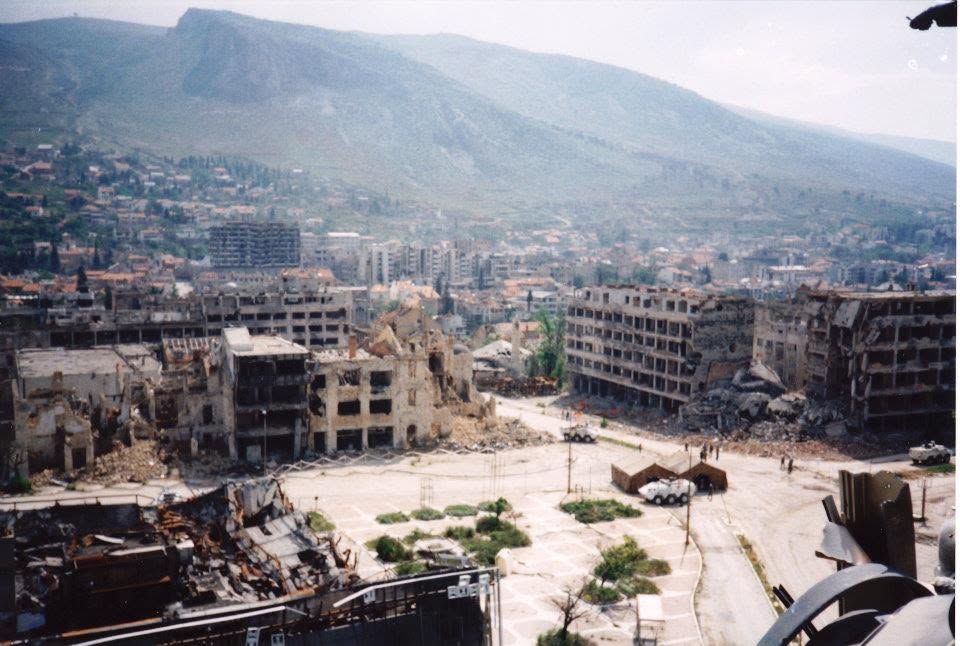
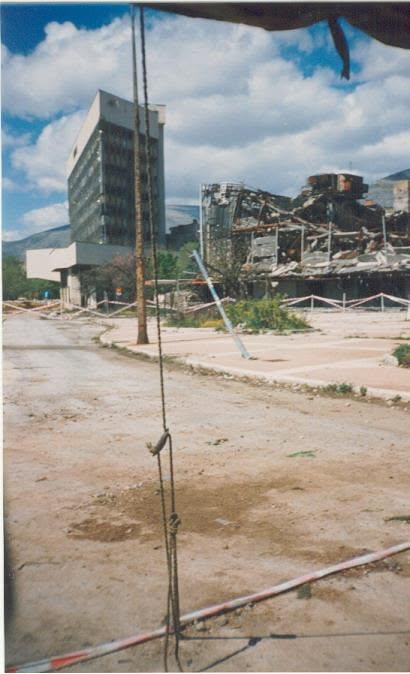
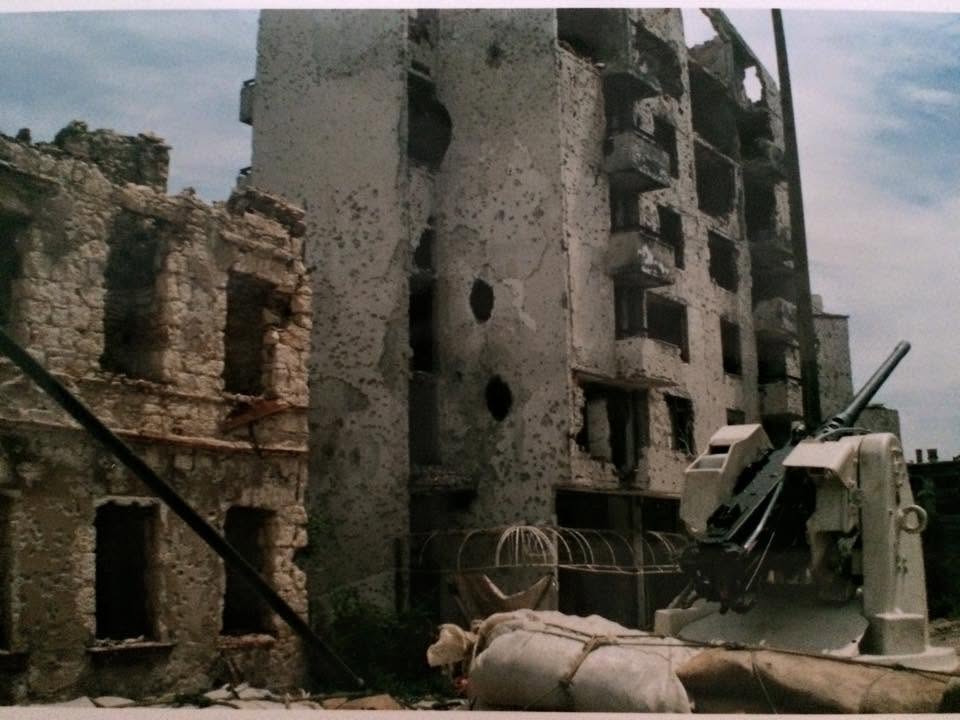
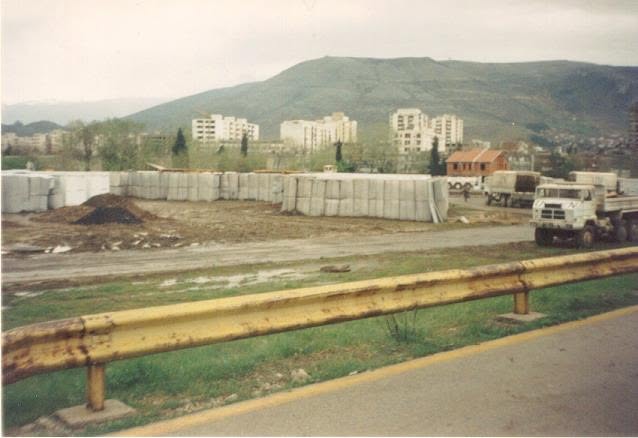
As Mostar marks the 22nd anniversary of the reopening of the Old Bridge, photographs taken during the war by former Spanish peacekeeper Juan Manuel Clavijo Muñoz offer a poignant reminder of the city's darkest days.
Twenty-two years have passed since the reopening of the Old Bridge in Mostar, one of Bosnia and Herzegovina's most recognizable landmarks and a symbol of hope, reconciliation and recovery.
Before it became a symbol of peace once again, the bridge stood as a reminder of the destruction caused by war. Built in 1566, the Old Bridge was destroyed on November 9, 1993, during the war. Its reconstruction, completed on July 23, 2004, was one of the most significant post-war reconstruction projects in Bosnia and Herzegovina, symbolizing not only the reconnection of the two banks of the Neretva River but also the rebuilding of ties between people.
On this anniversary, the story of Juan Manuel Clavijo Muñoz, a Spanish soldier who served in Mostar in 1994 as part of a peacekeeping mission, offers a deeply personal perspective on the city's past.
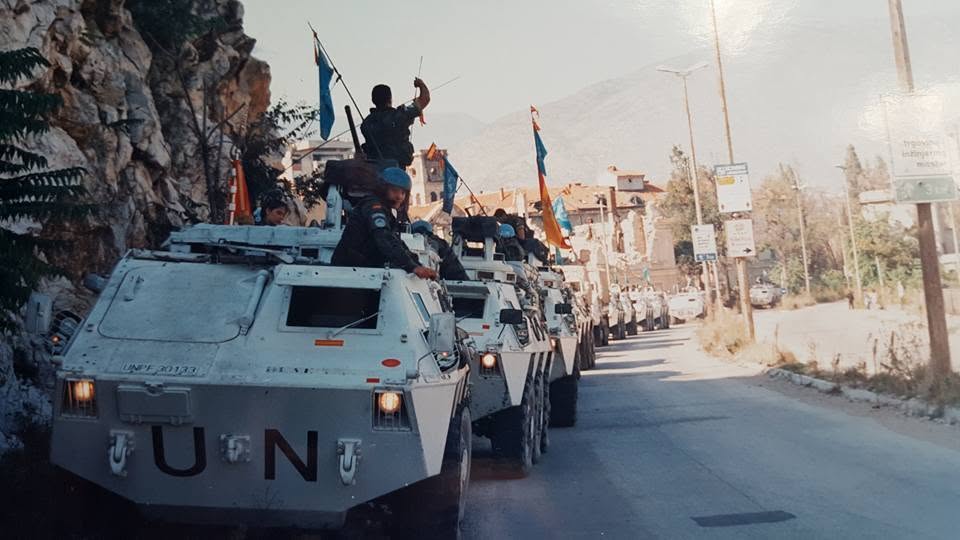
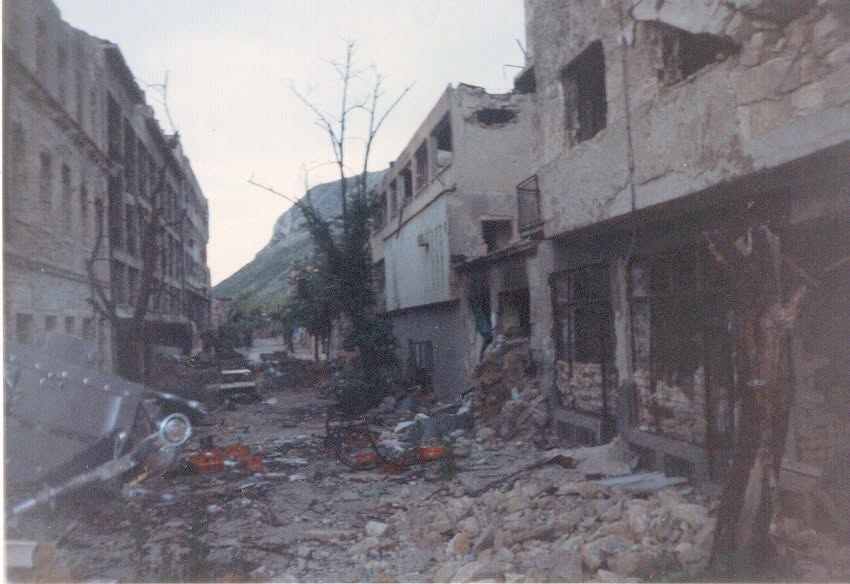
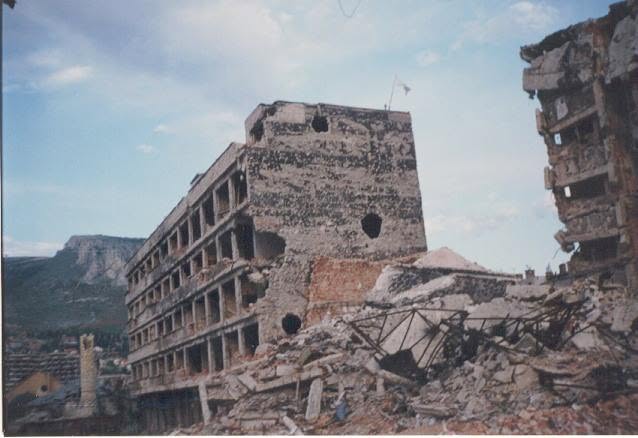
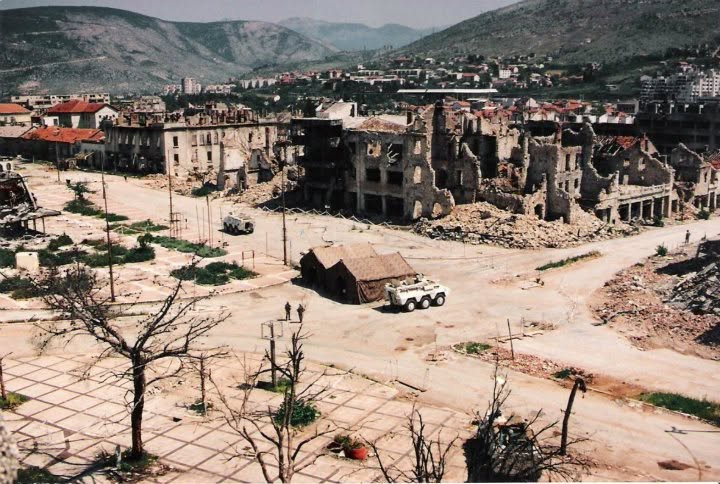
Clavijo Muñoz recently spoke to N1 about his return to Mostar more than three decades later. He also shared with the N1 newsroom the photographs he took during the war, preserving scenes from a city forever marked by conflict.
As a 22-year-old soldier, Bosnia and Herzegovina was the first country he visited outside Spain. More than 30 years later, he returned to Mostar with his family to show them the place that left a lasting mark on his life.
"This is where I first saw the horrors of war. That was when I realized that no one should ever have to go through something like that. This city awakens strong emotions in me because I went through a lot here. I am very happy that I returned after more than 30 years," said Juan Manuel Clavijo Muñoz.
Juan Manuel Clavijo Muñoz
Juan Manuel Clavijo Muñoz
Juan Manuel Clavijo Muñoz
Juan Manuel Clavijo Muñoz
Juan Manuel Clavijo Muñoz
Juan Manuel Clavijo Muñoz
Juan Manuel Clavijo Muñoz
The photographs that survived the war
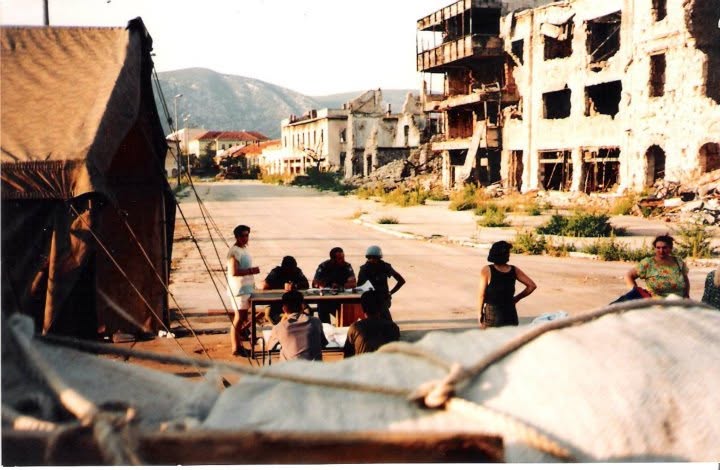
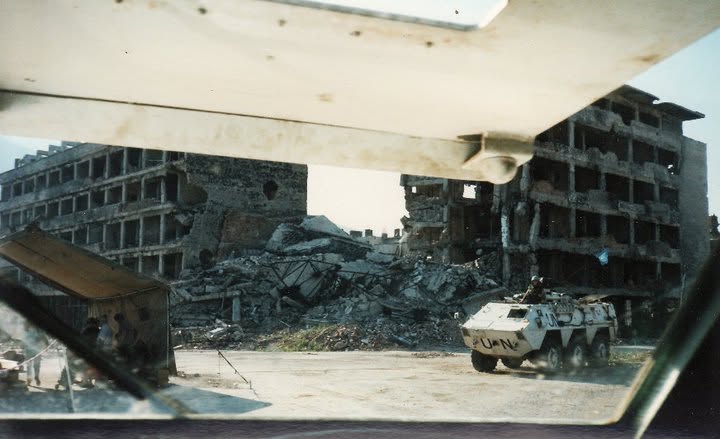
He spent seven months in Mostar, guarding positions, escorting humanitarian convoys, transporting the wounded to hospital and helping children. Today, he says it is much harder to overcome the emotions than to find the streets he once walked every day.
"I decided to come back to Mostar because I wanted to see the places where we worked and convince myself that our effort had a purpose. I am trying to enjoy every moment, although my emotions often overwhelm me," Juan Manuel Clavijo Muñoz said.
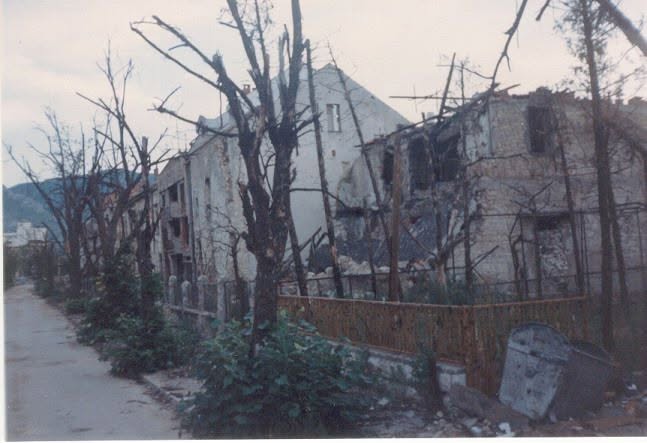
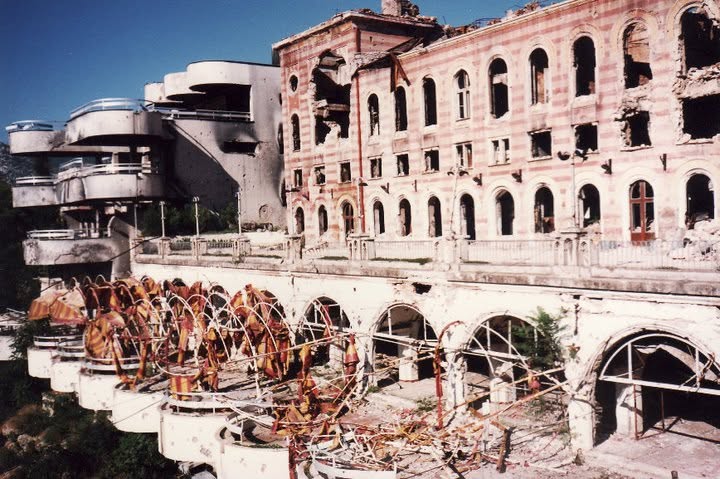
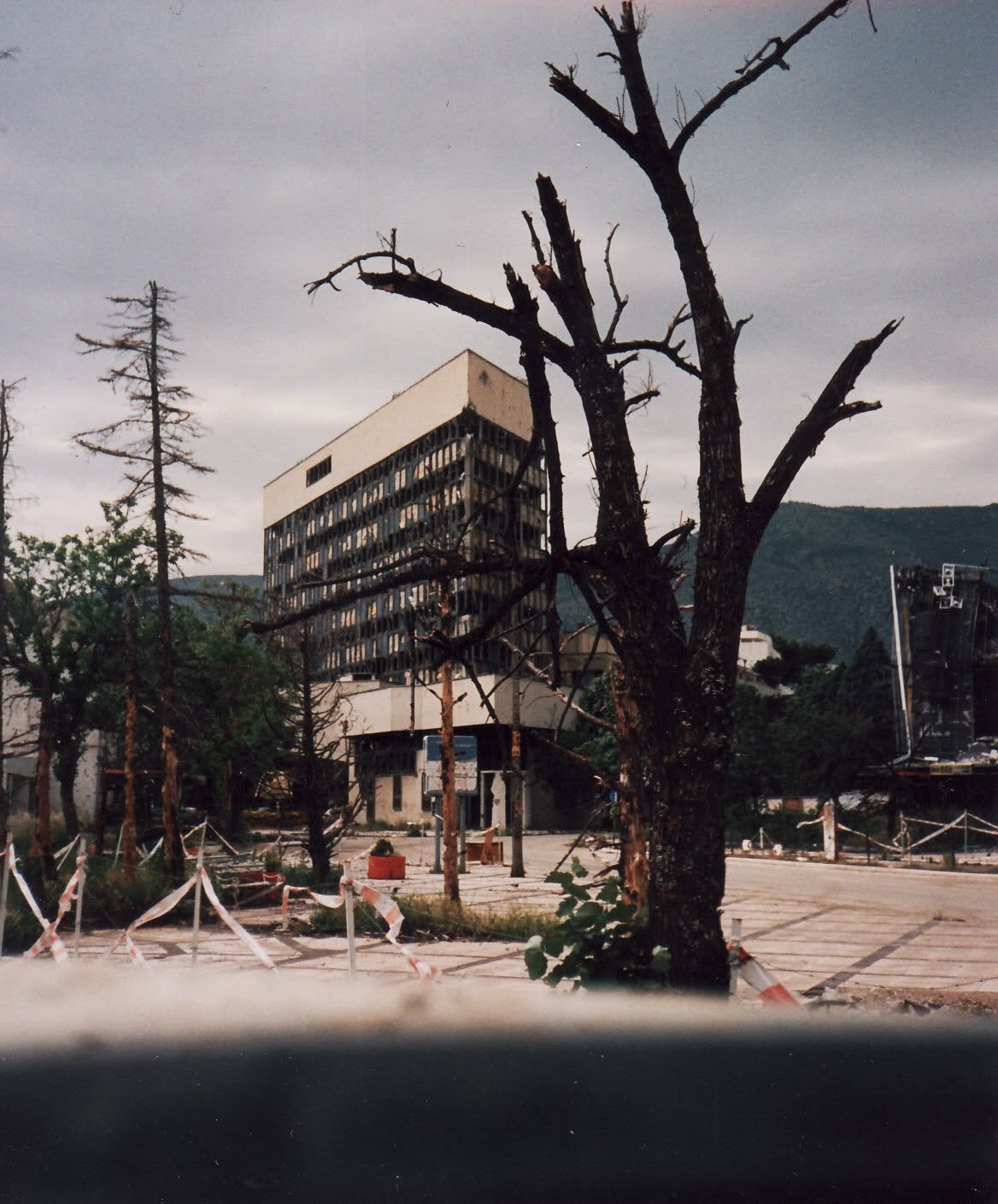
The photographs he entrusted to N1 have become valuable testimony of a city scarred by war. They capture destroyed streets, everyday life during the conflict and moments that history books alone cannot fully convey.
Speaking to N1, he also recalled two memories that have remained deeply engraved in his mind.
"One of the hardest moments was when my colleague stepped on a landmine at the checkpoint near Blagaj. That is a memory that still stays with me today. I especially remember the moment when the checkpoint was opened where families separated by the war met for the first time. I saw people embracing their loved ones again after a long time. There were many tears. It was one of the most emotional moments I have ever experienced," Clavijo Muñoz said.
Juan Manuel Clavijo Muñoz
Juan Manuel Clavijo Muñoz
Juan Manuel Clavijo Muñoz
Juan Manuel Clavijo Muñoz
Juan Manuel Clavijo Muñoz
Juan Manuel Clavijo Muñoz
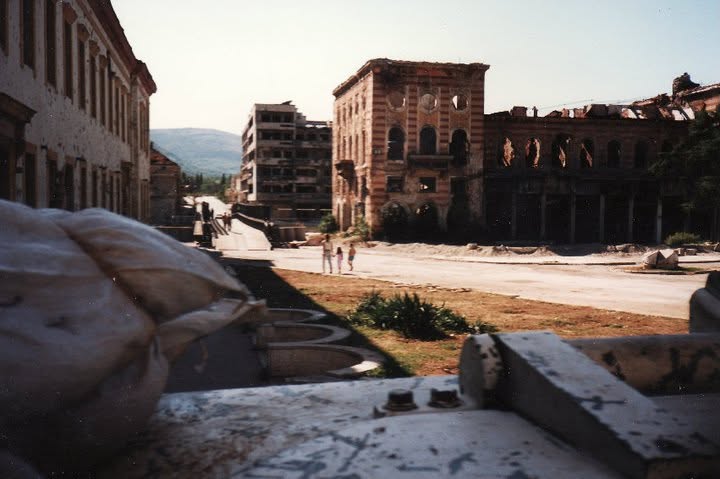
Juan Manuel Clavijo Muñoz
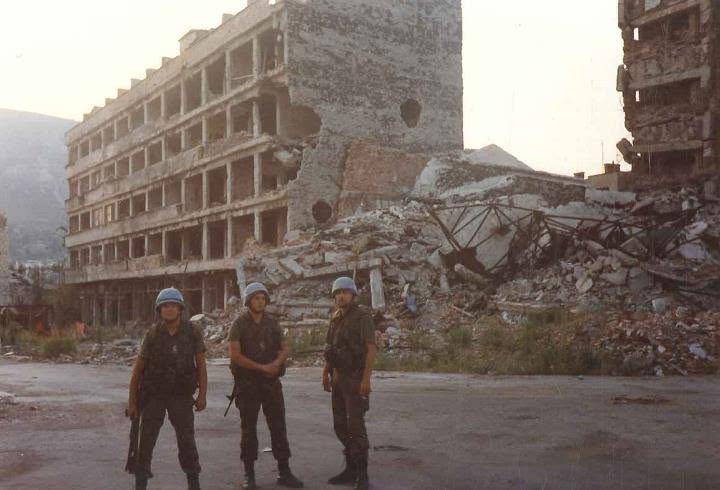
Juan Manuel Clavijo Muñoz
Despite everything he witnessed, he says he always believed Bosnia and Herzegovina would recover.
"I fell in love with this country when I first came here and I believed it would recover. I am glad to see people living in peace again today. In my opinion, the war should never have happened. For years people lived together, and then, because of politics and ideology, great madness emerged," he said.
As Mostar marks 22 years since the reopening of the Old Bridge, Clavijo Muñoz's wartime photographs serve as a powerful reminder of what the city endured before becoming a symbol of reconciliation once again. They preserve memories of destruction, but also of resilience, reminding future generations why such a period must never be forgotten.
Kakvo je tvoje mišljenje o ovome?
Učestvuj u diskusiji ili pročitaj komentare


Kakvo je tvoje mišljenje o ovome?
Učestvuj u diskusiji ili pročitaj komentare