Srbija
 Hrvatska
 Slovenija

Atlantic council: Transatlantic divide threatens future of international supervision in Bosnia


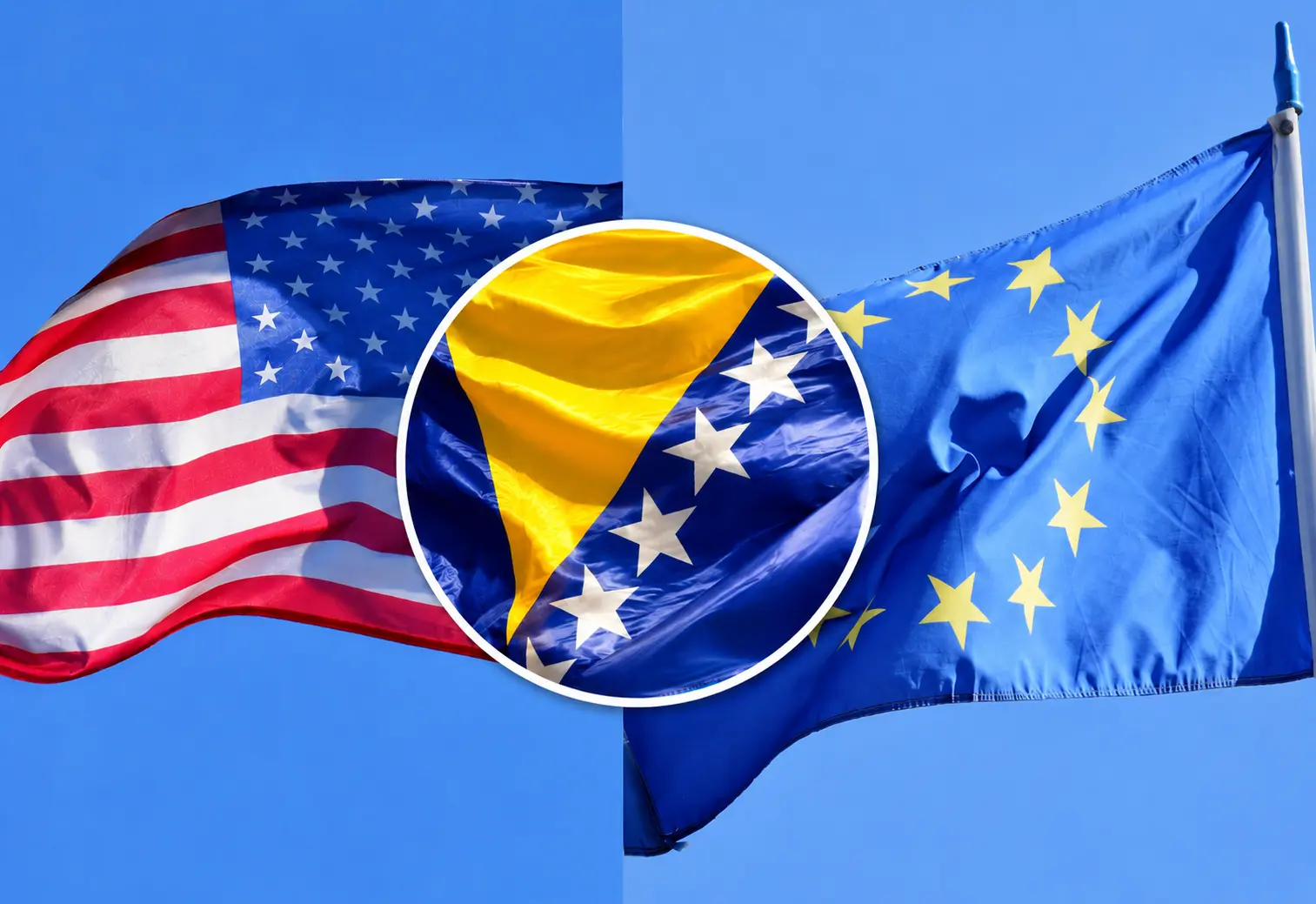
Differences between Washington and European capitals over the selection of a new high representative for Bosnia and Herzegovina reflect deeper strategic divergences regarding the country's political trajectory and international oversight, according to a recent analysis by Atlantic Council experts Amanda Thorpe and Olivia Olson.
The position has remained vacant following the departure of Christian Schmidt on July 1, as Washington and European partners failed to meet their initial target of choosing a successor by July 14. Analysts note this stalemate goes beyond a mere disagreement over candidates, highlighting contrasting approaches as the country approaches the October 4 general elections and pursues European Union integration.
The United States administration has increasingly advocated for reducing international supervision and shifting focus from institution-building to economic collaboration, suggesting a more limited mandate for any future high representative. In contrast, European capitals view the EU accession process as the primary framework for domestic reform, maintaining that the international envoy must actively employ available powers to drive institutional change.
The Office of the High Representative has historically stood as a cornerstone of transatlantic cooperation, traditionally led by a European official with an American first deputy, under the guidance of the Peace Implementation Council Steering Board. However, following the steering board's inability to reach a consensus in June, the United States embassy in Sarajevo criticized European indecision and signaled a reassessment of Washington's participation in the international mission.
As an interim measure, American diplomat Louis Crishock assumed leadership of the OHR as acting high representative, utilizing the full scope of executive powers. Media reports indicate that Washington previously backed Italian diplomat Antonio Zanardi Landi for the permanent role, while numerous EU member states and the United Kingdom favored French diplomat René Troccaz, with alternative compromises including Maurizio Massari and Peter Sørensen.
This diplomatic friction coincides with broader shifts in regional policy, notably the previous American decision to lift sanctions on Milorad Dodik, contrasting with the continued restrictive measures maintained by Germany, Austria, and the United Kingdom. Observers suggest these diverging paths raise questions over the future viability of a unified Western policy in the region, particularly as disputes intersect with key infrastructure initiatives such as the Southern Interconnection pipeline and ongoing debates over state property legislation.
Kakvo je tvoje mišljenje o ovome?
Učestvuj u diskusiji ili pročitaj komentare


Kakvo je tvoje mišljenje o ovome?
Učestvuj u diskusiji ili pročitaj komentare