Srbija
 Hrvatska
 Slovenija

EUFOR commander at Sarajevo security conference: We are here to prevent instability from returning


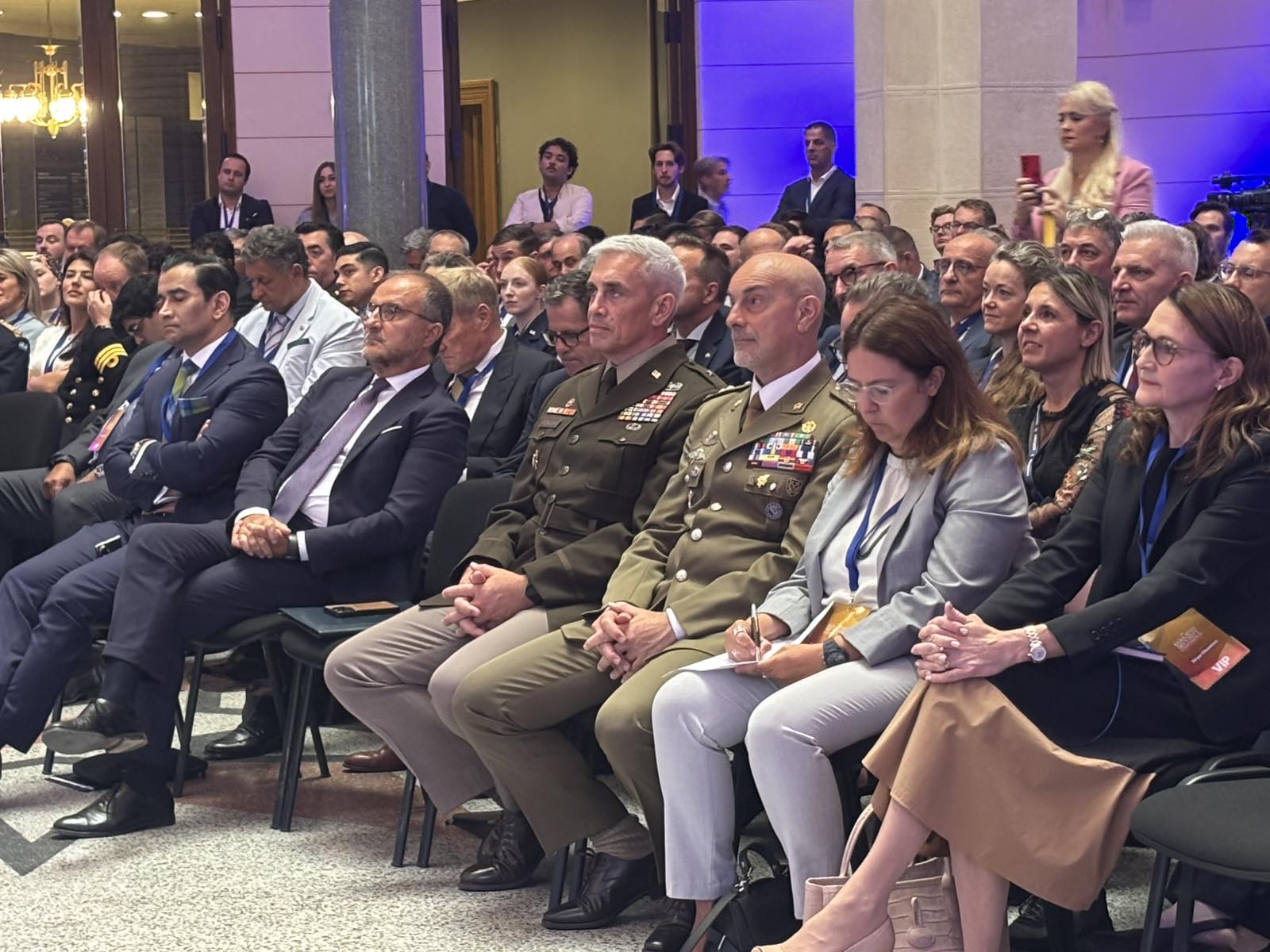
EUFOR commander to Bosnia and Herzegovina, Major General Maurizio Fronda, said on Friday that the European Union peacekeeping mission is focused not simply on responding to instability, but on preventing it before circumstances worsen.
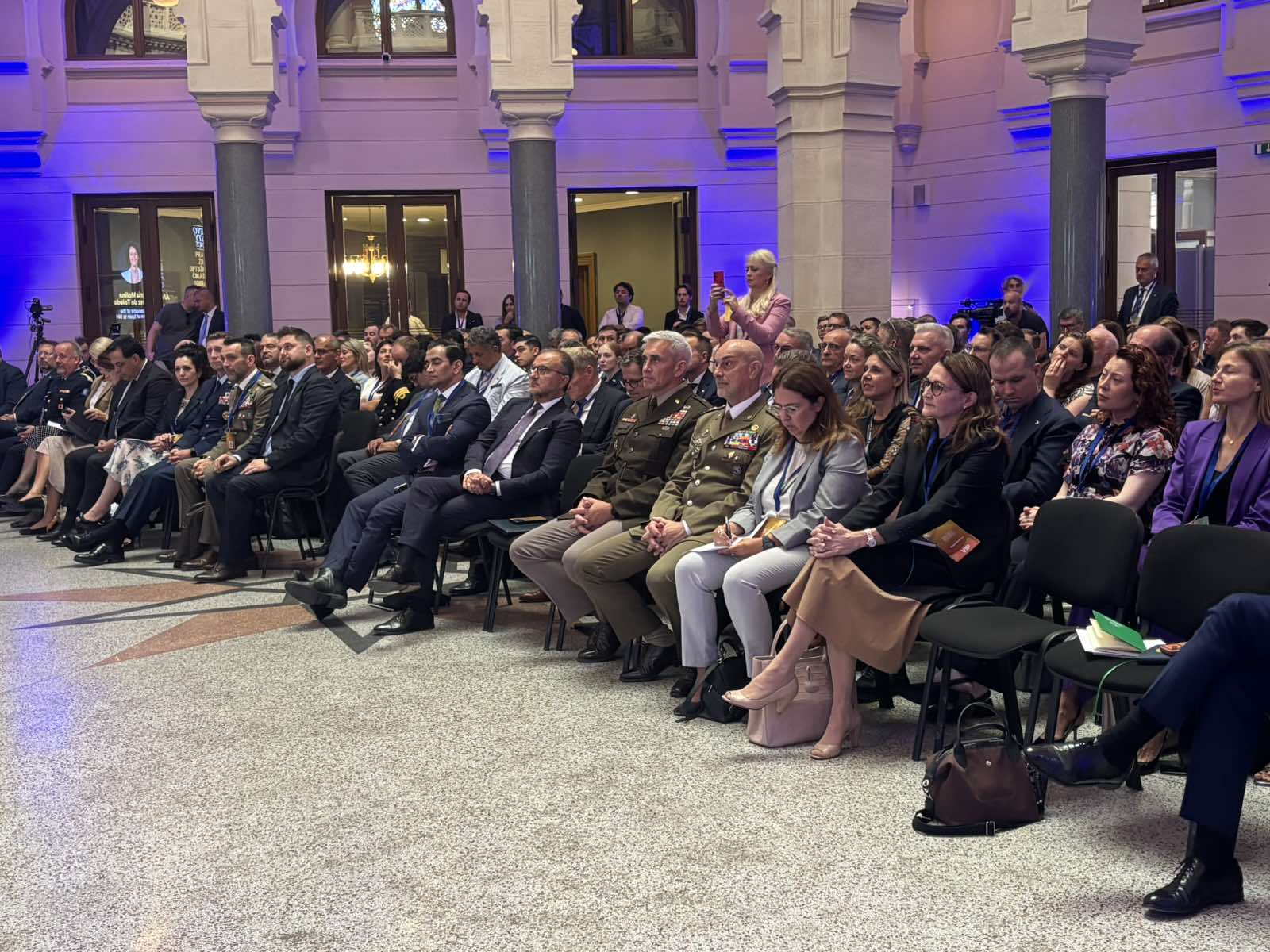
Speaking at the fourth Sarajevo Security Conference, Fronda said Europe is operating in a security environment that is more complex, contested and less predictable than in previous decades.
“I am very proud and honoured to be here today and to provide you some assessment information about the new formation,” Fronda said, opening his address at the conference, which is being held under the central theme “Europe’s Security in a Divided World.”
He said the broader security situation in Europe is directly connected to the situation in Bosnia and Herzegovina.
“For us, engaged in the EUFOR mission serving in Bosnia and Herzegovina, this is not an abstract issue. Every day, we see how closely the security of this country is connected to the broader security of Europe and more,” Fronda said.
He described EUFOR’s approach as disciplined prevention, based on identifying indicators, understanding trends and maintaining the ability to act before circumstances deteriorate.
“EUFOR is a mission that has made proactivity a cornerstone of all its actions,” he said, adding that the mission seeks to better support local authorities in their daily work to ensure the safety of Bosnia and Herzegovina’s population.
Fronda said EUFOR’s principles are impartiality, visibility, readiness, credibility and transparency, particularly through its ability to respond quickly, conduct exercises and provide defence.
“Because EUFOR is not here simply to respond to instability. We are here to help prevent instability. This distinction is crucial,” he said.
He stressed that diplomacy and institutions require security, while communities need confidence that political disagreements will not spiral out of control.
“The lesson of the past is clear. We must not wait for the build-up of instability,” Fronda said.
Referring to Bosnia and Herzegovina’s past, he said political compromise supported by a credible security framework can stop a devastating conflict. But, he added, ending a war and creating a sustainable future are different tasks.
“The first requires intervention. The second requires local ownership of the outside support and continued vigilance,” Fronda said, adding that vigilance requires preparation, readiness, credibility and constant commitment.
He said EUFOR’s success is measured through its daily contribution to the country’s security, providing assistance and assurance proactively and taking determined preventive roles when necessary.
“The constitutional crisis of 2025 proved that EUFOR is ready and capable of action, providing stability and support,” Fronda said.
At the same time, he stressed that the crisis was ultimately managed and resolved by Bosnia and Herzegovina’s local authorities.
“Prosecutors, courts, constitutional courts. All of them operated under pressures at the time, but they managed to perform their duties as expected,” he said.
Fronda said EUFOR’s ultimate goal is not to remain indispensable. Instead, the mission aims to contribute to a security environment in which Bosnia and Herzegovina’s institutions and population are increasingly able to manage their future peacefully and make their own decisions, including decisions concerning the country’s integration into international structures.
“Today, security cannot be taken for granted. Stability cannot be treated as an institutional automatism,” he said.
According to Fronda, stability must be protected and strengthened, while local authorities must continually tailor their efforts to support EUFOR’s responsibility to remain credible in its commitments, transparent in its presence, concrete in its actions, prepared for the unexpected and proactive before events can escalate.
He said this approach is how EUFOR contributes to stability and, ultimately, to the security of Europe.
“The security of Bosnia and Herzegovina is not a peripheral issue. It is a matter for all of us,” Fronda said.
He added that in a divided world, European security will increasingly depend on recognising that developments on Europe’s strategic margins can become an integral part of its wider security environment.
“This is our responsibility. This is our commitment. And this is why EUFOR is here,” Fronda concluded.
The fourth Sarajevo Security Conference officially opened on Friday and will run from September 4 to 6. The conference is described as the largest geopolitical and security gathering in the Western Balkans, bringing together more than 300 participants and over 140 speakers from around the world.
Organised by the Washington-based New Lines Institute for Strategy and Policy, the three-day conference is focused on key challenges facing Europe’s and the world’s security architecture.
Among the announced participants are US congressmen and members of the Congressional Helsinki Commission Marc Veasey and Greg Murphy, UK Special Envoy for the Western Balkans Dame Karen Pierce, and former deputy secretary-general of the Arab League, Ambassador Hossam Zaki.
Former Lebanese Prime Minister Hassan Diab and Hamza Almustapha, Syria’s former information minister and current special adviser for Europe at the Syrian Ministry of Foreign Affairs, are also attending.
The conference agenda includes transatlantic relations and European security, cyber and hybrid threats and cognitive warfare, energy stability and security, the use of artificial intelligence and new technologies in defence, as well as current global crises and their impact on the international order.
Kakvo je tvoje mišljenje o ovome?
Učestvuj u diskusiji ili pročitaj komentare


Kakvo je tvoje mišljenje o ovome?
Učestvuj u diskusiji ili pročitaj komentare