Srbija
 Hrvatska
 Slovenija

Sarajevo University institute urges UN mechanism to act over planned state honours for Ratko Mladic


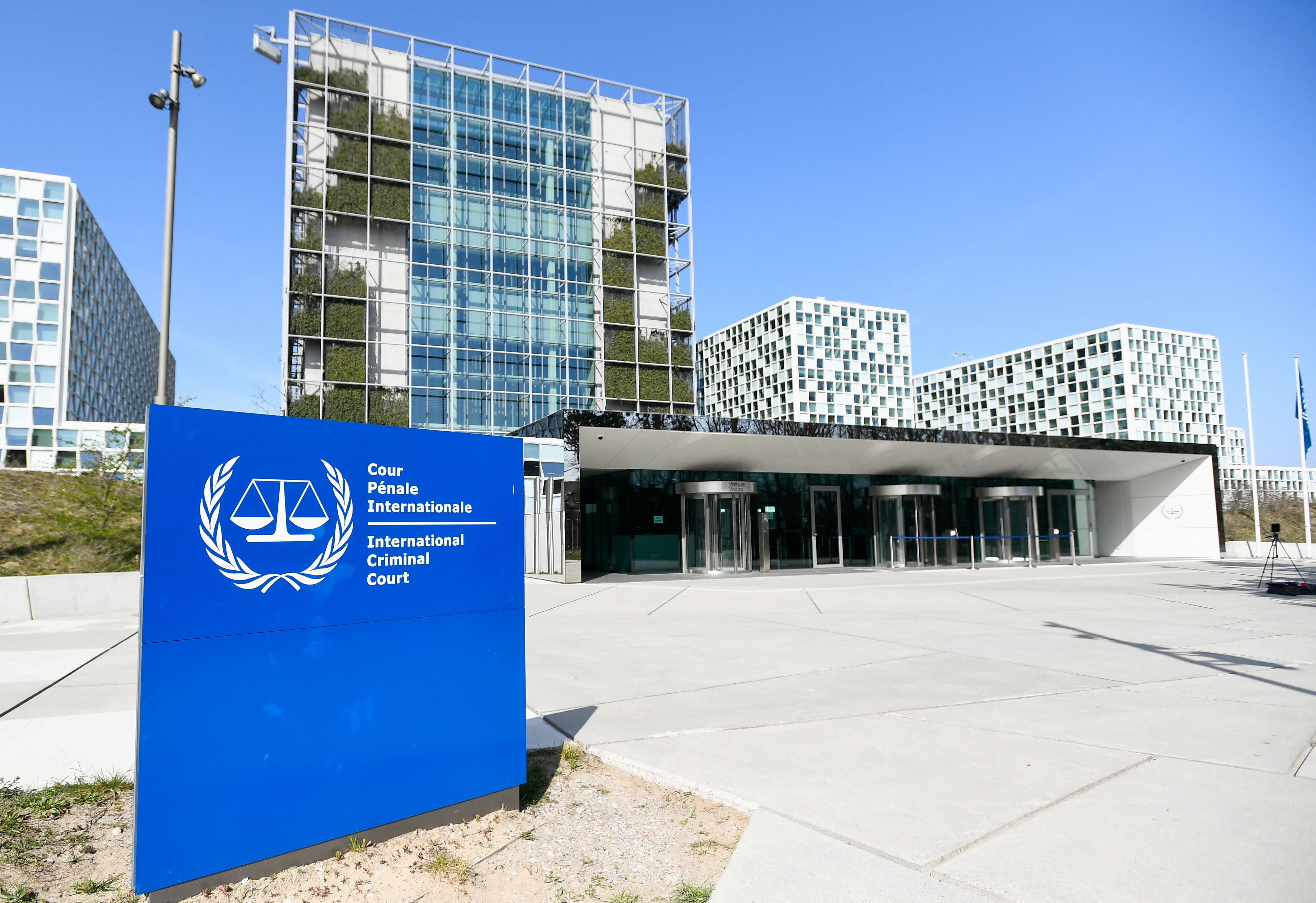
The University of Sarajevo’s Institute for Research of Crimes Against Humanity and International Law has asked the UN International Residual Mechanism for Criminal Tribunals to urgently examine all available legal and institutional options concerning the transfer of Ratko Mladic’s remains to Serbia and announced plans for him to receive state and military honours.
Institute Director Muamer Dzananovic addressed a letter to Mechanism President Graciela Gatti Santana, Chief Prosecutor Serge Brammertz and Registrar Abubacarr M. Tambadou, following statements by senior Serbian officials regarding Mladic’s burial.


The Institute said its intervention was prompted by public announcements that Mladic, if his remains are transferred to Serbia, would be buried with the highest state and military honours.
Mladic, the former commander of the Army of Republika Srpska, was serving a life sentence after being convicted of genocide in Srebrenica, crimes against humanity and war crimes.
The Institute said the issue went beyond the place of burial or the wishes of Mladic’s family.
It argued that a ceremony involving state symbols, military protocol and official honours would constitute an act by the Serbian state and could amount to “the strongest form of institutional glorification” of a person finally convicted of genocide and other international crimes.
Institute asks Mechanism to examine possible delay
The Institute asked the Mechanism to examine whether there were legal grounds to temporarily delay the transfer of Mladic’s remains or pursue another lawful arrangement while the implications of an officially sponsored ceremony were considered.
If no such option exists, it asked the Mechanism to consider seeking clear guarantees from Serbia that the transfer and funeral would not be used to glorify Mladic.
The letter also recalled the International Court of Justice’s 2007 judgment, which found that Serbia had violated its obligation to prevent the Srebrenica genocide and had failed to comply fully with its obligation to cooperate with the ICTY, including by failing to transfer Mladic for trial.
The Institute said particular attention should be paid to survivors and victims’ families, arguing that international judgments were not abstract legal documents but recognition of their suffering and of individual criminal responsibility established by courts.
“A funeral with state protocol, military ceremony and the highest state and military honours would represent a profound humiliation for victims and their families,” the Institute said.
Warning over posthumous glorification
The Institute also warned of longer-term consequences, including further posthumous heroisation and mythologisation of Mladic, the strengthening of what it described as his near-cult status in parts of the political and social sphere, and further denial or relativisation of genocide and other international crimes.
It asked the Mechanism to consider the possible impact of such a ceremony on the authority and legacy of the ICTY and the Residual Mechanism, as well as on transitional justice, reconciliation, trust-building and the rule of law across the region.
“International criminal justice does not end with the death of a convicted person,” the Institute said, arguing that its lasting value lies in the judicially established facts left to future generations.
It added that the future of Bosnia and Herzegovina, Serbia and the wider region could not be built on denial or relativisation of final judgments or on state-sponsored glorification of people convicted of genocide and other grave international crimes
Kakvo je tvoje mišljenje o ovome?
Učestvuj u diskusiji ili pročitaj komentare


Kakvo je tvoje mišljenje o ovome?
Učestvuj u diskusiji ili pročitaj komentare