Srbija
 Hrvatska
 Slovenija

Bosnia launches new review of over 2,000 unidentified war victims' remains across 12 mortuaries


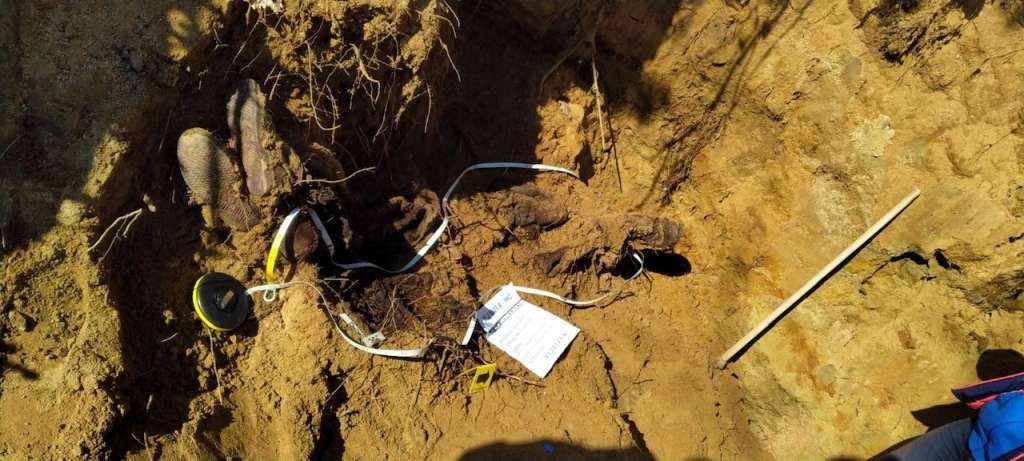
Bosnia and Herzegovina's Missing Persons Institute has launched a comprehensive review of human remains held in 12 mortuaries across the country, where more than 2,000 unidentified sets of remains or cases linked to victims of the 1992–1995 war are currently being held. The initiative aims to establish new identities, accelerate final identifications and enable dignified burials.
The review will compare current records with the findings of a previous large-scale assessment completed in 2018, according to Emza Fazlic, spokesperson for the Missing Persons Institute of Bosnia and Herzegovina.
That earlier review produced significant results, establishing 121 new identities and allowing additional remains to be matched and associated with previously buried victims in 968 cases.
"This will give us a clear picture of all the changes that have occurred in the meantime and allow us to develop an action plan for the coming period," Fazlic told the FENA news agency.
"We hope that the new analysis will lead to new identifications, but also enable us to take steps towards the final identification of victims for whom DNA matches already exist, as well as permanently resolve cases involving remains that have not yet been identified and historical cases," she said.
Some victims identified through DNA have yet to be formally identified by families
According to Fazlic, unidentified remains are not the only challenge facing the mortuaries.
In some cases, DNA analysis has already established a person's identity, but family members have not yet completed the formal identification process or given their consent for burial.
The Institute hopes that the latest review will help address these cases and move forward with final identifications and burials.
Earlier identifications to undergo additional verification
Once the mortuary review is completed, the Institute plans to examine identifications carried out before 2000 using traditional visual recognition methods.
More than 8,000 victims were identified through these methods.
At the time, families often identified missing relatives by recognising clothing, such as sweaters or jackets, or other personal belongings found with the remains.
However, the Institute warns that these methods were not entirely reliable and that unintentional identity mix-ups may have occurred in some cases.
Fazlic said additional efforts would be made to encourage families who identified relatives through traditional methods to provide blood samples for DNA testing.
"This absolutely does not mean that anyone will be left without the remains of their loved ones. If there is a DNA match, we will have official, 100 percent confirmation that the person has truly been found," she explained.
"Otherwise, if we do not carry out these checks, there is a risk that some families may never find their loved ones because, under such circumstances, they were buried under another name."
Institute appeals to families to provide DNA samples
The Missing Persons Institute has issued an appeal to citizens and families of missing persons to provide blood samples to help verify identities.
The Institute says the process is essential to resolving uncertainties, preventing possible misidentifications and advancing efforts to identify and bury victims of the war.
The new review is intended to support both the identification of previously unidentified remains and the verification of earlier cases, helping families obtain reliable answers about the fate of their missing relatives.
Kakvo je tvoje mišljenje o ovome?
Učestvuj u diskusiji ili pročitaj komentare


Kakvo je tvoje mišljenje o ovome?
Učestvuj u diskusiji ili pročitaj komentare