Srbija
 Hrvatska
 Slovenija

BHANSA advances airspace surveillance with 32.46 million Bosnian marks radar system expansion


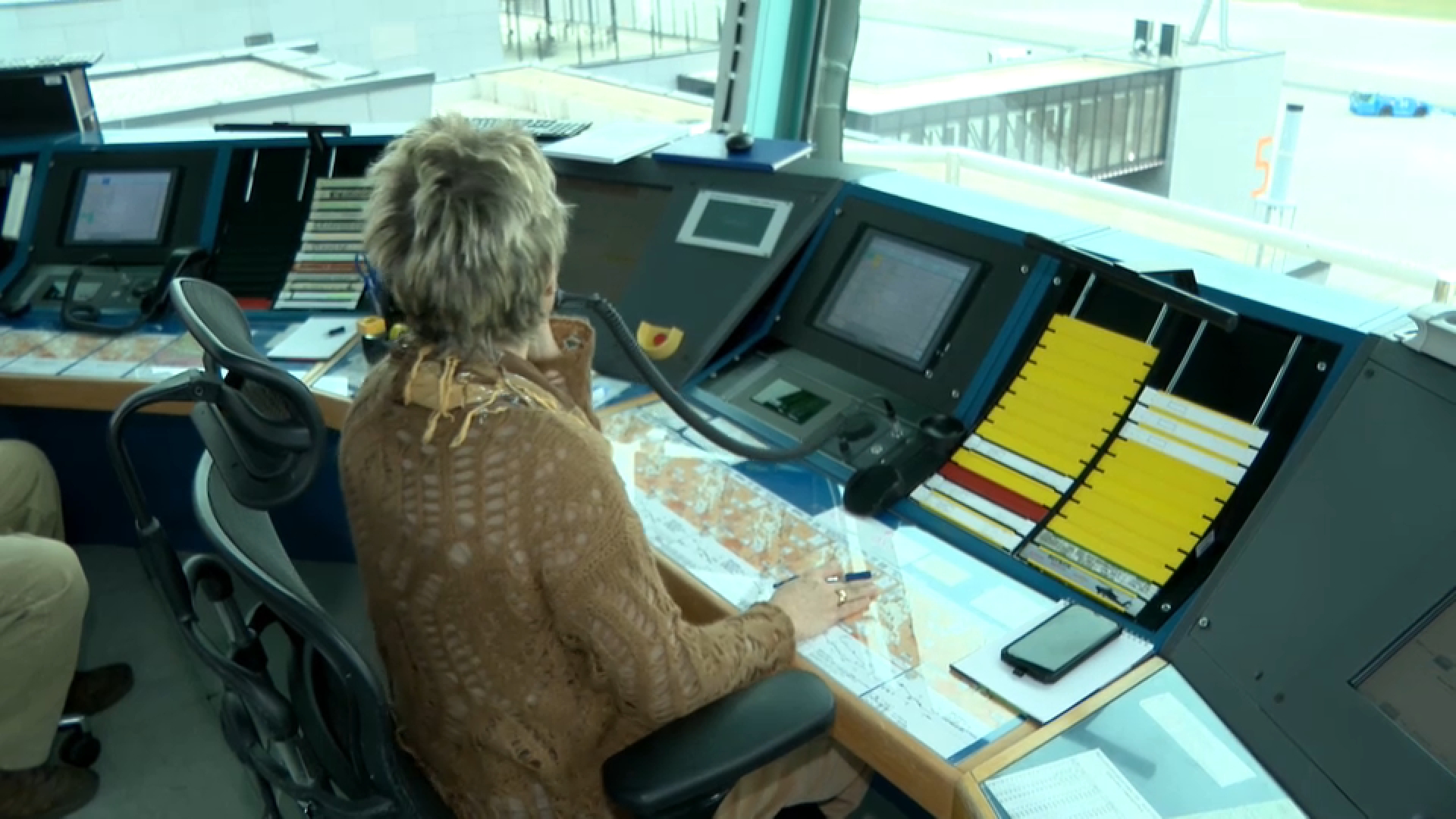
Bosnia and Herzegovina Air Navigation Services Agency (BHANSA) is investing 32.46 million Bosnian marks (approx. €16.60 million) to deploy five operational radars across the country by the end of May 2027. The project aims to improve airspace coverage and streamline air traffic management, particularly around the airports in Mostar, Tuzla, and Banja Luka.
Financed entirely through the Agency's own revenues, the initiative encompasses the overhaul of existing radars in Sarajevo and on Mount Jahorina, alongside the construction of new radar facilities in Mostar, Tuzla, and Banja Luka.
"With this project, BHANSA is continuing to modernise its radar infrastructure and expand its existing network from two to a total of five operational radars across Bosnia and Herzegovina. This will further enhance our air traffic surveillance capabilities and create better technical conditions for the safe and efficient provision of air navigation services," stated BHANSA Director Davorin Primorac.
The upgraded units in Sarajevo and on Jahorina are already functional, extending their operational lifespan by 15 years. Meanwhile, construction across the sites in Mostar, Tuzla, and Banja Luka remains ongoing, with full operational status anticipated by late May 2027.
The enhanced infrastructure will provide more reliable aircraft tracking at lower altitudes and near regional airports. Expanding BHANSA's proprietary radar network strengthens system resilience and ensures uninterrupted surveillance, even if individual data streams experience disruptions.
"With five of our own radars, we will have better airspace coverage and greater surveillance reliability. At the same time, we are creating the technical conditions for further improving the way we manage air traffic, while maintaining high safety standards in the provision of services," Primorac added.
Additionally, completing the installations in Mostar, Tuzla, and Banja Luka lays the ground for transitioning from procedural to radar-based air traffic control once requisite operational and safety criteria are fulfilled. This shift is set to boost overall airspace capacity and traffic efficiency.
BHANSA confirmed that cross-border radar data sharing with neighbouring air navigation service providers will persist alongside the upgraded network, continuing to support regional coordination and flight safety.
Kakvo je tvoje mišljenje o ovome?
Učestvuj u diskusiji ili pročitaj komentare


Kakvo je tvoje mišljenje o ovome?
Učestvuj u diskusiji ili pročitaj komentare