Srbija
 Hrvatska
 Slovenija

Srebrenica Memorial Center Director files criminal complaint against BiH finance minister


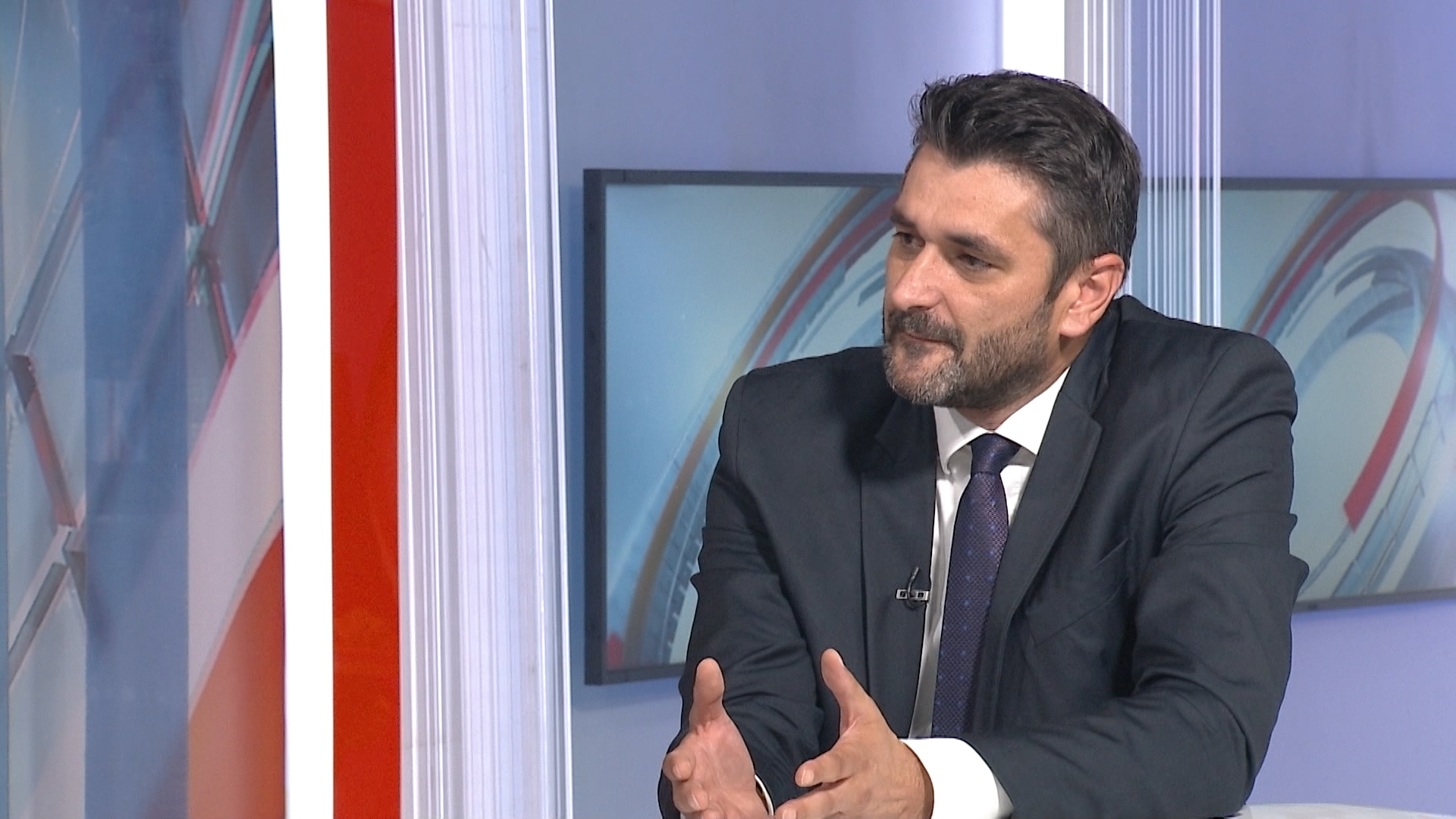
Emir Suljagic, director of the Srebrenica Memorial Center, has filed a criminal complaint with the Prosecutor’s Office of Bosnia and Herzegovina against the country’s Finance and Treasury Minister Srdjan Amidzic, alleging that he failed to implement a decision by the international community’s High Representative for Bosnia and Herzegovina.
The complaint alleges that Amidzic may have committed the criminal offense of failing to implement decisions of the High Representative, as defined under Article 203a of Bosnia and Herzegovina’s Criminal Code.
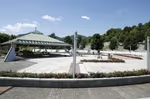


According to the complaint, Amidzic, as a state minister and member of Bosnia and Herzegovina’s Council of Ministers, knowingly and repeatedly failed to fulfill obligations stemming from a September 20, 2023 decision by the High Representative. That decision amended the law governing the Srebrenica-Potocari Memorial Center and Cemetery for the Victims of the 1995 Genocide.
The High Representative issued the decision under powers granted by Annex 10 of the Dayton Peace Agreement, the 1995 agreement that ended the war in Bosnia and Herzegovina and established the country’s post-war constitutional framework.
The 2023 amendments significantly expanded the Memorial Center’s mandate, particularly in the areas of genocide research and education.
They established a Department for Genocide Research and Genocide Education as a formal organizational unit within the Memorial Center. Under the amended law, the department is responsible for organizing genocide research, collecting historical records, publishing materials and promoting education.
The law also provides for salaries or compensation for department staff and requires the Memorial Center’s administration to provide the department with the necessary technical and administrative support.
The complaint argues that establishing the department was not dependent on a political agreement or the discretionary decision of the finance minister. Rather, Suljagic argues, it is an obligation arising directly from the law currently in force in Bosnia and Herzegovina.
According to the complaint, the Memorial Center has repeatedly asked the Ministry of Finance and Treasury to align its organizational structure, secure budgetary funding and establish the financial and administrative conditions necessary for the department to operate.
The complaint alleges that, under Amidzic’s leadership, the ministry either rejected those requests or failed to act on them.
Suljagic argues that this was not an isolated administrative failure, but a pattern of action and inaction over several years that prevented the Memorial Center from fully exercising the mandate granted to it by law.
As a result, the complaint alleges, the genocide research and education department has not been able to become fully operational.
Suljagic further argues that this has hindered research into the 1995 genocide, the collection and processing of historical records, publishing and educational activities - areas the Memorial Center considers particularly important in countering genocide denial and historical revisionism.
The complaint asks prosecutors to determine whether Amidzic’s actions and omissions amounted to a knowing refusal to implement the High Representative’s decision.
It also asks investigators to establish the precise legal responsibilities of the Ministry of Finance and Treasury in implementing the amendments, as well as the specific requests made by the Memorial Center.
Among other issues, prosecutors are being asked to determine when Amidzic received those requests, what actions he refused or failed to take, and whether he had both the legal authority and practical ability to comply with the law.
The complaint also asks whether his conduct was deliberate, whether its purpose or effect was to prevent implementation of the High Representative’s decision and the amended law, and whether the alleged failure caused concrete harm to the Memorial Center and its statutory mandate.
According to the complaint, the grounds for suspicion stem in part from the fact that Amidzic was aware over an extended period of the legal obligations and of the Memorial Center’s inability to implement the amendments without action by Bosnia and Herzegovina’s state institutions.
Suljagic submitted supporting documentation along with the criminal complaint.
He has asked the Prosecutor’s Office of Bosnia and Herzegovina to open a case, review the relevant correspondence and question Suljagic, Amidzic and other officials involved in the matter.
Kakvo je tvoje mišljenje o ovome?
Učestvuj u diskusiji ili pročitaj komentare


Kakvo je tvoje mišljenje o ovome?
Učestvuj u diskusiji ili pročitaj komentare