Srbija
 Hrvatska
 Slovenija

Unions demand immediate reform as World Day for Decent Work highlights systemic failures in Bosnia


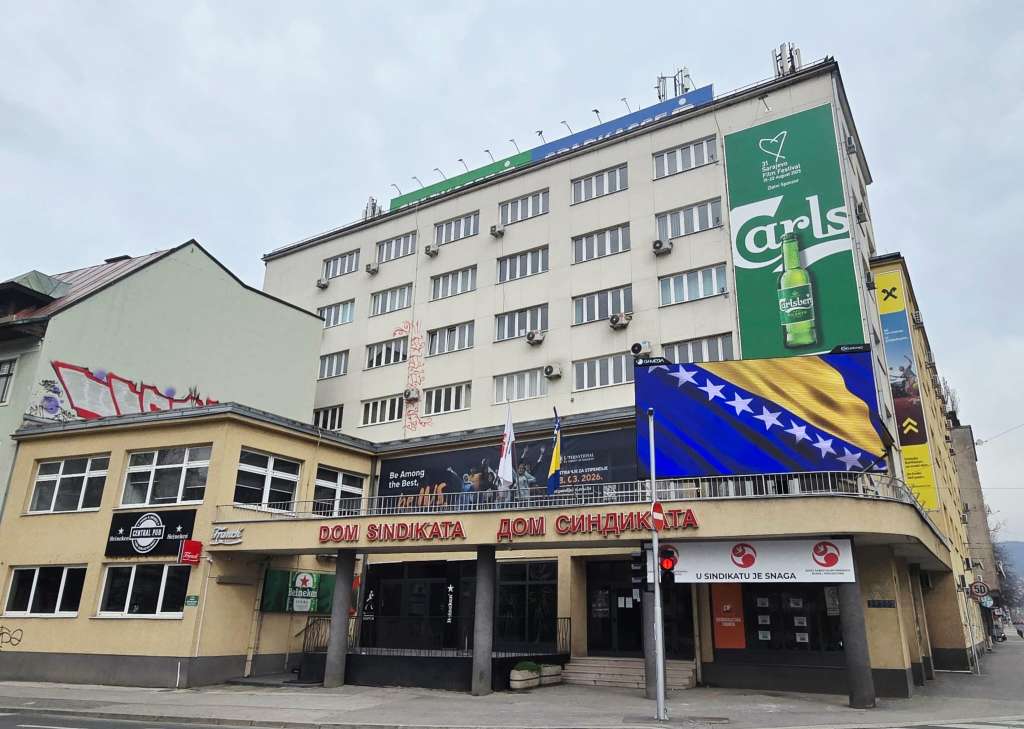
Marking World Day for Decent Work, on Wednesday, 7 October, the Confederation of Independent Trade Unions of Bosnia and Herzegovina (SSSBiH) has declared that true social progress and development depend on four critical pillars: employment, rights, protection, and social dialogue.
Addressing the current economic landscape, SSSBiH highlighted alarming negative trends across the country, particularly ongoing factory closures. The trade union warned that these closures are causing widespread job losses and accelerating the drain of qualified, working-age citizens migrating to Western Europe in search of viable living and working standards.
Within this framework, workers' rights are routinely marginalized, rendering the concept of decent work an unachieved ideal for the vast majority of employees in the Federation of Bosnia and Herzegovina.
Regarding workplace protection and constructive dialogue, the confederation asserted that key requirements must include guaranteed employment rights, safe conditions, and adequate earnings to support families with dignity. SSSBiH emphasized the urgent necessity of nondiscriminatory job creation, robust social security safeguards during illness, and full compliance with labor laws in practice rather than merely on paper.
Furthermore, the union reiterated that every worker possesses the fundamental right to form or join trade union organizations and to negotiate core terms directly through collective bargaining. International institutions, governing bodies, and private enterprises were reminded of their legal and moral duties to uphold basic human rights at work.
"Today in Bosnia and Herzegovina, we are witnessing numerous violations of employment rights. Unfortunately, most employers only declaratively commit to improving workers' rights and interests, while failing to implement this in practice," SSSBiH stated.
The union criticized businesses for increasingly relying on imported foreign labor to bypass local standards, a trend that actively prompts local workers to emigrate. Additionally, thousands of workers remain unprotected by collective bargaining agreements, leaving their fundamental terms entirely at the discretion of individual employers, a situation the confederation deemed unacceptable in modern society.
Concluding its message to executive authorities, legislative bodies, employers, and the public, SSSBiH insisted that genuine social dialogue and collective bargaining remain irreplaceable, stressing that unhindered trade union operation is mandatory for achieving decent work.
Kakvo je tvoje mišljenje o ovome?
Učestvuj u diskusiji ili pročitaj komentare


Kakvo je tvoje mišljenje o ovome?
Učestvuj u diskusiji ili pročitaj komentare