Srbija
 Hrvatska
 Slovenija

Belgrade marks Srebrenica genocide anniversary amid incidents and growing denial


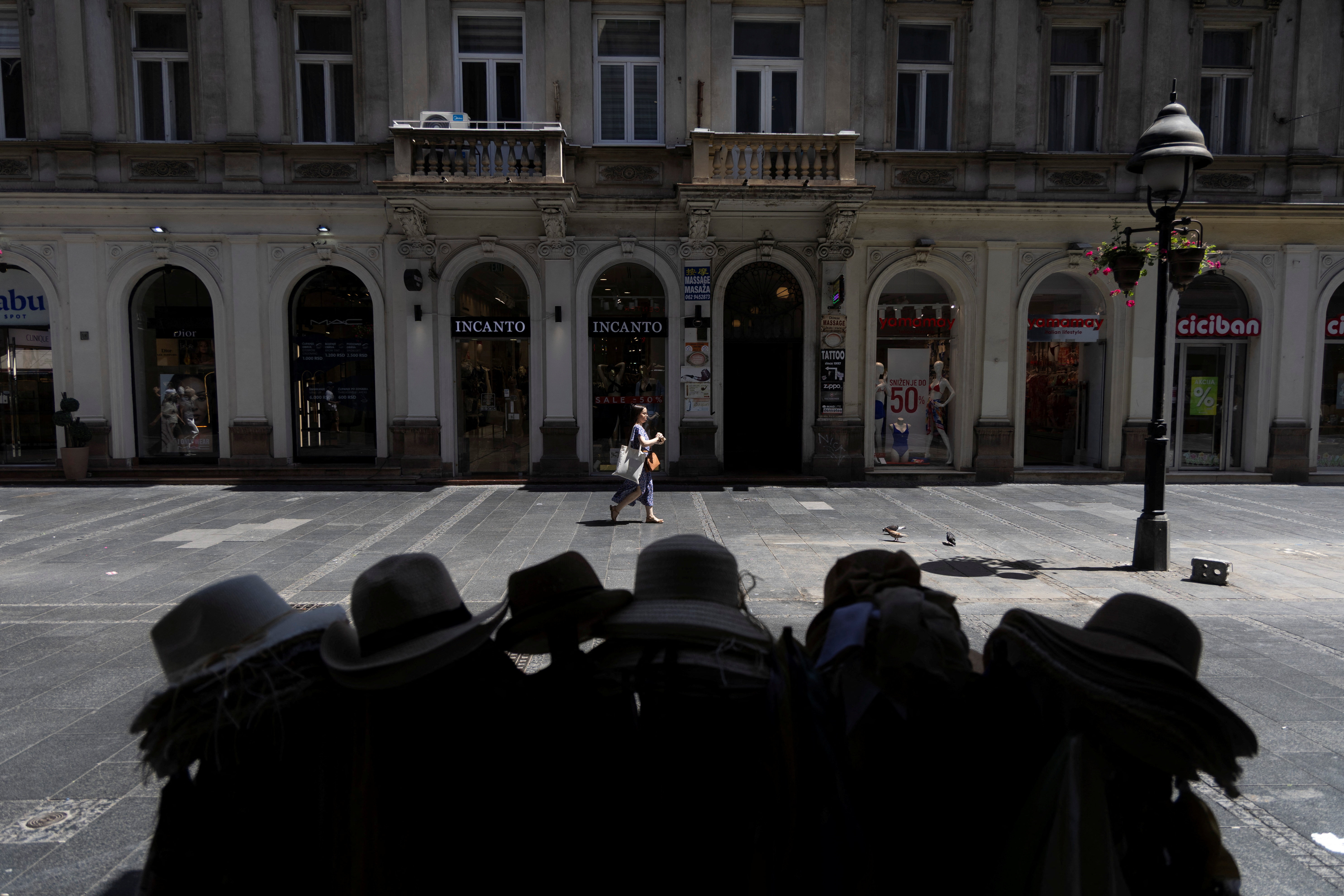
Belgrade is set to mark the 31st anniversary of the Srebrenica genocide on Saturday evening with a silent candlelight vigil organised by the Youth Initiative for Human Rights (YIHR) Serbia, despite a day marked by violence and public displays glorifying convicted war criminals.
The gathering, scheduled for 8 p.m., is planned to be held in silence as a tribute to the victims of the 1995 genocide and a sign of solidarity with their families. Diplomats, including several ambassadors, and numerous citizens are expected to attend.
The commemoration comes after Serbian writer and anti-war activist Vladimir Arsenijevic was assaulted earlier on Friday ahead of a separate remembrance event near Branko's Bridge organised by the civic group People Remember People.
Arsenijevic said on social media that he was attacked by a group of around 20 to 30 young men who threatened him and vandalised the site with graffiti. Organisers subsequently cancelled the event, saying they could not guarantee participants' safety.

Earlier in the day, posters glorifying Ratko Mladic, the former Bosnian Serb military commander convicted of genocide by the UN war crimes tribunal, appeared in several locations across Novi Sad.
The campaign was organised by the Serbian Radical Party (SRS), led by convicted war criminal Vojislav Seselj. The posters featured Mladic's military cap alongside the message, "General, thank your mother." According to the party, the campaign was intended to celebrate what it described as Mladic's "heroic role" in Srebrenica. Local media later reported that residents had begun tearing the posters down.
Another poster displayed in Belgrade carried the message "Naser Oric genocide 1992–1993," reflecting continued attempts to promote narratives equating different wartime crimes.
Oric is a former Bosnian army commander who was acquitted of war crimes charges by the Court of Bosnia and Herzegovina in Sarajevo in October 2017, a verdict that was later upheld after appeals were dismissed. He was also finally acquitted by the Appeals Chamber of the International Criminal Tribunal for the former Yugoslavia (ICTY) in July 2008 of all charges related to command responsibility.
Speaking to N1, Sofija Todorovic of the Youth Initiative for Human Rights said the organisation's annual State of Denial report shows that genocide denial in Serbia is becoming increasingly widespread.
She said the debate surrounding the UN General Assembly resolution establishing 11 July as the International Day of Reflection and Commemoration of the 1995 Genocide in Srebrenica had been transformed into a political campaign that further fuelled denial and nationalist rhetoric.
"The resolution was dedicated to the victims. It also condemns the glorification of convicted war criminals regardless of their ethnicity," Todorovic said, rejecting claims that acknowledging the genocide implies collective guilt for the Serbian people.


The Youth Initiative has called on Serbian authorities to officially observe 11 July as a national day of remembrance in line with the UN resolution, arguing that Serbia already recognises international court judgments in its legal framework but fails to consistently implement them.
Despite the incidents, organisers said they hope Friday evening's vigil will proceed peacefully, honouring the victims of the Srebrenica genocide while highlighting growing concerns over genocide denial and historical revisionism in Serbia.
Kakvo je tvoje mišljenje o ovome?
Učestvuj u diskusiji ili pročitaj komentare


Kakvo je tvoje mišljenje o ovome?
Učestvuj u diskusiji ili pročitaj komentare