Srbija
 Hrvatska
 Slovenija

Bosnia’ foreign trade data shows rise in exports and imports alongside persistent trade deficit


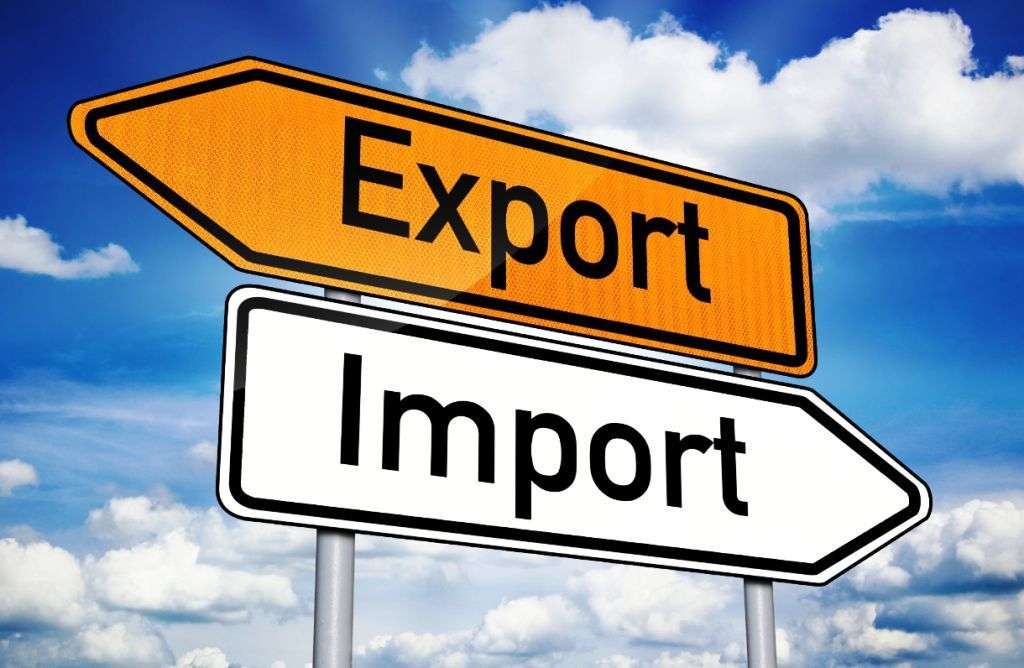
Bosnia and Herzegovina recorded a 4.6 percent increase in exports during the first six months of the year, reaching approximately nine billion Bosnian marks (approx. €4.6 billion), while imports grew by 5.7 percent to total 15.88 billion marks (approx. €8.12 billion). Presentations by the Foreign Trade Chamber of Bosnia and Herzegovina in Sarajevo highlighted that despite positive export metrics, a pronounced trade deficit and reliance on foreign goods persist.
Total foreign trade volume reached 24.8 billion marks (approx. €12.68 billion), marking a 5.33 percent increase compared to the same period last year. Chamber Vice President Vjekoslav Vukovic explained that these figures reflect increased domestic demand for raw materials and consumer goods, noting that export growth in certain sectors stemmed from both higher volume and rising market prices. The electromechanical sector continues to anchor domestic exports and maintain growth, while Germany remains a primary partner despite slowed economic activity.
Macroeconomic System Sector representative Belma Alihodzic noted that import-export coverage dropped to 57.3 percent, signaling a slight deterioration in trade balances. The European Union remains the dominant trade partner, absorbing 77 percent of total exports with a trading volume of 17.5 billion marks (approx. €8.95 billion). Exports to the EU totaled 6.9 billion marks (approx. €3.53 billion), while imports reached 10.5 billion marks (approx. €5.37 billion). Regional trade within CEFTA yielded a volume of 2.7 billion marks (approx. €1.38 billion), though lower export activity toward Serbia and Montenegro created headwinds.
Analysis of leading tariff groups indicates that imports remain heavily concentrated in energy, vehicles, pharmaceuticals, and raw materials, whereas exports predominantly consist of electrical machinery, metal products, furniture, electricity, and defense industry items. Officials emphasized that structural weaknesses, a limited export base, and a high volume of consumer goods imports continue to hinder broader economic momentum.
Kakvo je tvoje mišljenje o ovome?
Učestvuj u diskusiji ili pročitaj komentare


Kakvo je tvoje mišljenje o ovome?
Učestvuj u diskusiji ili pročitaj komentare