Srbija
 Hrvatska
 Slovenija

Kos urges Western Balkans to speed up reforms so as not to lose EU funds


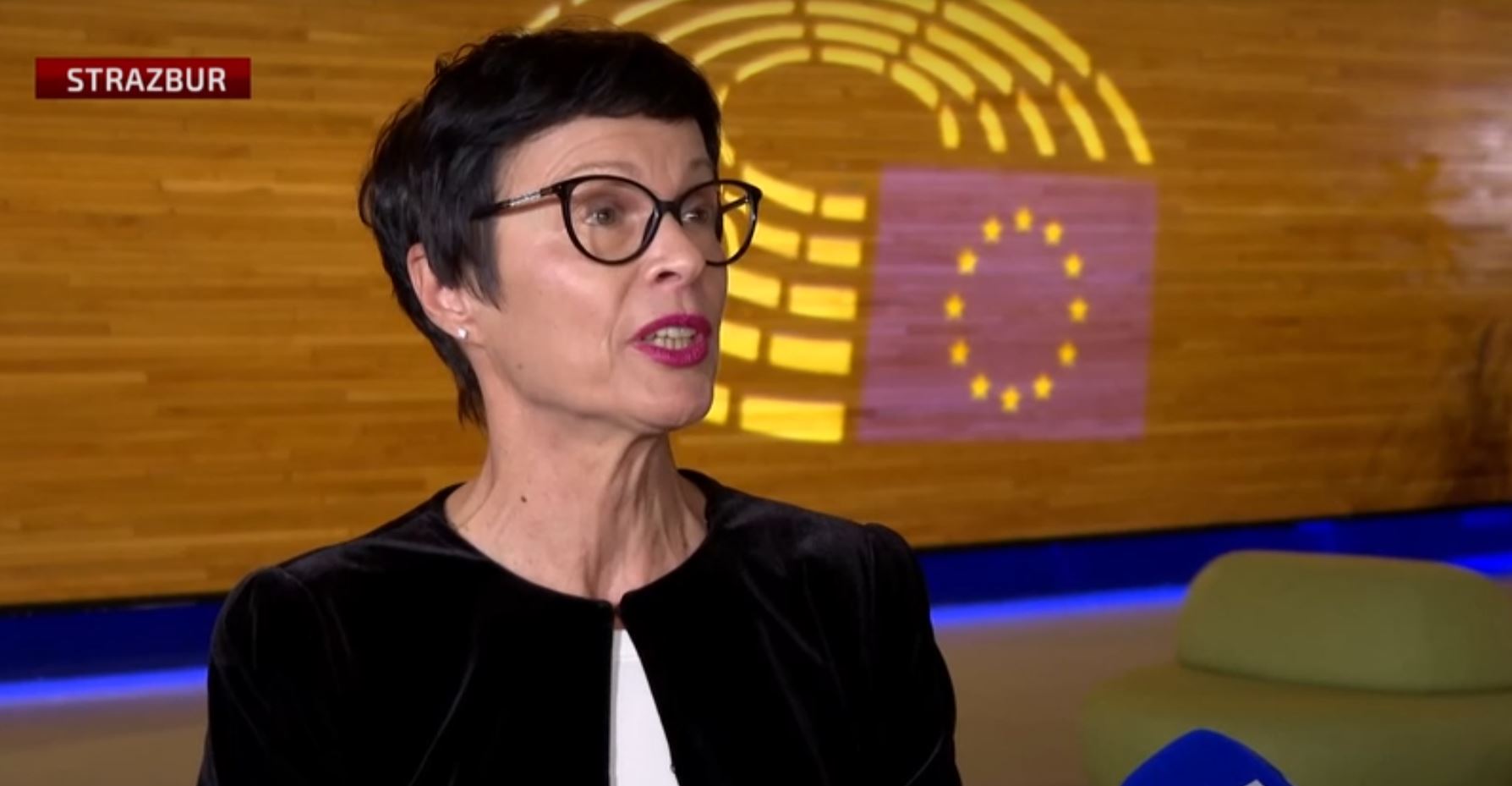
European Commissioner for Enlargement Marta Kos on Monday warned Western Balkan countries they could lose €700 million from the Growth Plan if they fail to implement necessary reforms, while praising Ukraine and Moldova for strong progress.
If reforms are not completed by June 2026, or in the case of Bosnia and Herzegovina by December 2026, the region could permanently lose €700 million, Kos said during a debate in the European Parliament’s Committee on Foreign Affairs.
She added that last week she wrote to authorities in the Western Balkans urging them to accelerate reform adoption, warning they would otherwise lose part of the funds allocated under the Growth Plan.
The European Union has earmarked €6 billion for Western Balkan countries under the Growth Plan for the period 2024–2027. Access to these funds is strictly tied to meeting clearly defined reform deadlines.
Kos warned Serbia that without reforms, disbursement of EU funds would not be possible.
We are currently assessing whether Serbia still meets the conditions for payments under EU financial instruments. We will now wait to see how Serbia responds to the Venice Commission’s report on amendments to judicial laws, and it is clear we expect Serbia to fully comply with its recommendations. We expect Serbia to ensure freedom of expression and media freedom; otherwise, we will not be able to disburse funds from the Growth Plan, Kos said.
Croatian MEP Tomislav Sokol (HDZ/EPP) said during the debate that EU funds for Serbia should have long been suspended.
“Funds for Serbia should have been suspended long ago. The policy of appeasing Vucic has completely collapsed,” Sokol said, adding that the key issue is that Serbia has not undergone the necessary political reckoning since the 1990s.
“On the contrary, its policy of destabilisation is clearly visible in Montenegro, where pro-Serbian and pro-Russian parties are part of the ruling coalition that is supposed to lead the country into the European Union. Such trends were particularly evident in the adoption of amendments to the Law on Internal Affairs and the Law on the National Security Agency, which were passed to place the police sector under full political control of pro-Serbian and pro-Russian forces in Montenegro,” Sokol said. He asked Commissioner Kos whether she was aware that representatives of the ruling coalition in Podgorica had falsely claimed that the European Commission had requested the adoption of those laws, and whether Montenegro, with such political actors in power, can meet the conditions for EU membership.
Commissioner Kos said future accession treaties with new member states will have to include safeguard clauses to prevent “Trojan horse” scenarios, a role she said outgoing Hungarian Prime Minister Viktor Orbán had played for years.The first agreement to include such safeguards will be with Montenegro, the country most advanced in the accession process. Kos announced she would present a financial package for Montenegro before the summer.
Kakvo je tvoje mišljenje o ovome?
Učestvuj u diskusiji ili pročitaj komentare


Kakvo je tvoje mišljenje o ovome?
Učestvuj u diskusiji ili pročitaj komentare
NAJČITANIJE














Najnovije











ZDRAVLJE





LIFESTYLE





SHOWBIZ





N1 KVIZ