Srbija
 Hrvatska
 Slovenija

Working Group for BiH writes to Judson University: Dodik is neither a model of leadership nor democracy


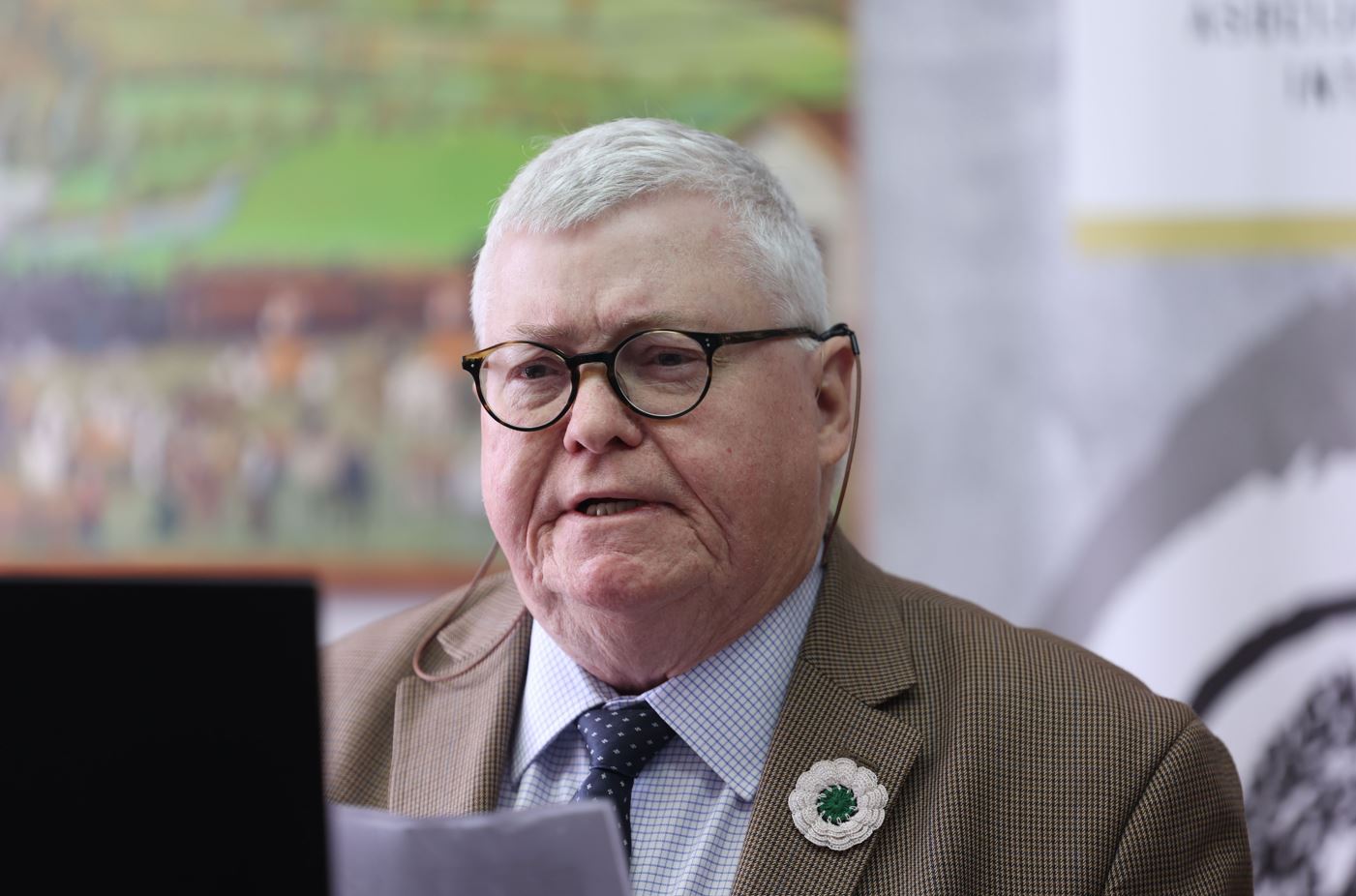
The Working Group for Bosnia and Herzegovina, composed of domestic and international intellectuals, has sent a letter to the president of Judson University in the United States, Gene Crume, expressing concern over the university’s invitation to Milorad Dodik and its intention to award him the inaugural 'Leadership and Commitment to Democracy' award on April 30.
The letter was written on behalf of the Working Group for BiH by American professor of philosophy and Holocaust and genocide studies at Southern Connecticut State University, David Pettigrew.
Given Dodik's continued threats of secession, denial of the Srebrenica genocide and other war crimes, as well as hate speech, Professor Pettigrew told FENA that awarding such a prize is deeply hypocritical, as it normalizes anti-democratic actions and undermines democratic principles.
"Moreover, granting this award to Dodik normalizes and rewards genocide denial and hate speech," Pettigrew said.
In the letter, members of the Working Group highlight a number of concerns regarding the planned program, noting that Dodik’s publicly documented political positions are aimed at undermining the sovereign state of Bosnia and Herzegovina rather than strengthening democracy.
Dodik has repeatedly claimed that Bosnia and Herzegovina is a 'failed' or 'impossible' country or a 'failed project', and has threatened the secession of Republika Srpska.
"Dodik is working to undermine the rule of law through persistent denial of the Srebrenica genocide. War crimes committed in Srebrenica have been legally classified as genocide. The International Criminal Tribunal for the former Yugoslavia convicted individuals for genocide in Srebrenica, and the International Court of Justice determined that genocide occurred in Srebrenica. While the world collectively honored the victims of the Srebrenica genocide by adopting a United Nations General Assembly resolution declaring July 11 as the International Day of Reflection and Commemoration of the 1995 Genocide in Srebrenica, Dodik intensified genocide denial at public events. He also regularly rejects decisions of the Constitutional Court of BiH," the letter states.
It further adds that Dodik seeks to destabilize Bosnia and Herzegovina and the region through statements opposing Euro-Atlantic integration, and he opposes BiH's membership in the European Union and NATO.
As a result of these and other actions, the letter recalls, Dodik has been convicted and sanctioned by the U.S. government. Due to persistent non-compliance with the leadership of the Office of the High Representative (OHR), the institution established to oversee and preserve peace in BiH, the Court of Bosnia and Herzegovina sentenced Dodik to one year in prison and banned him from performing the duties of President of Republika Srpska.
The Working Group members also emphasize that the culture of denial encouraged by Dodik in Republika Srpska prevents genocide survivors from erecting memorials at sites where crimes, including genocide, have been committed and legally confirmed. While memorials to victims are banned, monuments glorifying convicted war criminals, and even celebrating the crimes, are being erected.
''Such policies are cruel and divisive. President Crume, Dodik’s denial of the Srebrenica genocide and his hate speech painfully retraumatize survivors, some of whom are still waiting for the remains of their loved ones to be found and identified. We believe that Dodik is neither an example of leadership nor an advocate of democracy, and we urge you to reconsider the invitation extended to him by Judson University,'' the letter concludes.
Kakvo je tvoje mišljenje o ovome?
Učestvuj u diskusiji ili pročitaj komentare


Kakvo je tvoje mišljenje o ovome?
Učestvuj u diskusiji ili pročitaj komentare