Srbija
 Hrvatska
 Slovenija

Who is Ronald Johnson, a candidate for US ambassador to Bosnia and Herzegovina


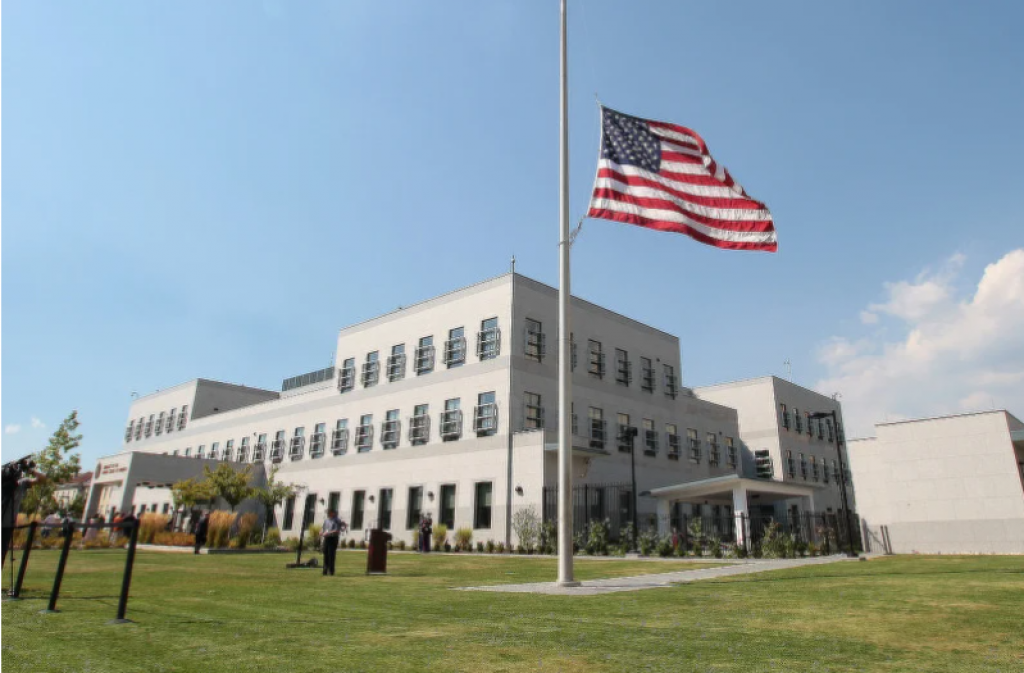
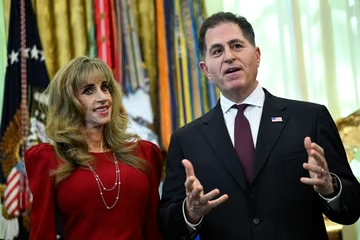
Retired Brigadier General Ronald Johnson has been nominated to serve as the next United States ambassador to Bosnia and Herzegovina, according to a White House notice sent to the Senate on June 1.The White House said the nomination of Ronald Johnson, of Massachusetts, was formally submitted for the post of ambassador extraordinary and plenipotentiary to Bosnia and Herzegovina.
The nomination follows earlier media speculation, but Johnson’s published biography shows no previous professional experience in Bosnia and Herzegovina or the wider Western Balkans.
Johnson, who is originally from Duxbury, Massachusetts, graduated in management from Franklin Pierce College in New Hampshire. He also completed military education at the Amphibious Warfare School, the Marine Corps Command and Staff College in Quantico, Virginia, and the Naval War College in Newport, Rhode Island.
He began his military career in 1980 and went on to serve in a series of command positions in the Marine Corps, including assignments in New Hampshire and at Guantanamo Bay, Cuba. He later served as a United Nations military observer in Lebanon and the Sinai, and was deployed to Southwest Asia in support of Operations Desert Shield and Desert Storm.
Later assignments included teaching operations at the Amphibious Warfare School, work with US Atlantic Command, and an advisory role with the Central Asian Peacekeeping Battalion. He also commanded the 3rd Battalion, 6th Marines, and later the 24th Marine Expeditionary Unit, taking part in Operation Iraqi Freedom and the evacuation of US citizens from Beirut.
Senate confirmation still required
Under the US system, ambassadors do not take office immediately after a presidential nomination. The nominee must first go through the Senate’s constitutional "advice and consent" procedure, which usually includes review by the Senate Foreign Relations Committee and, in many cases, a confirmation hearing.
If the committee approves the nomination, it is then sent to the full Senate for a vote. Only after confirmation by a majority of senators can the president formally appoint the ambassador, who then travels to the host country and presents credentials to the head of state before officially assuming the role.
The process can take weeks or months, especially if there are political disputes surrounding a nominee. In the United States, a significant share of ambassadors are political appointees, including donors, former officials or people close to the president, while others are career diplomats from the State Department.
Kakvo je tvoje mišljenje o ovome?
Učestvuj u diskusiji ili pročitaj komentare


Kakvo je tvoje mišljenje o ovome?
Učestvuj u diskusiji ili pročitaj komentare