Srbija
 Hrvatska
 Slovenija

Introduction of power exchange in Bosnia: Stepped-up competition and market-driven prices


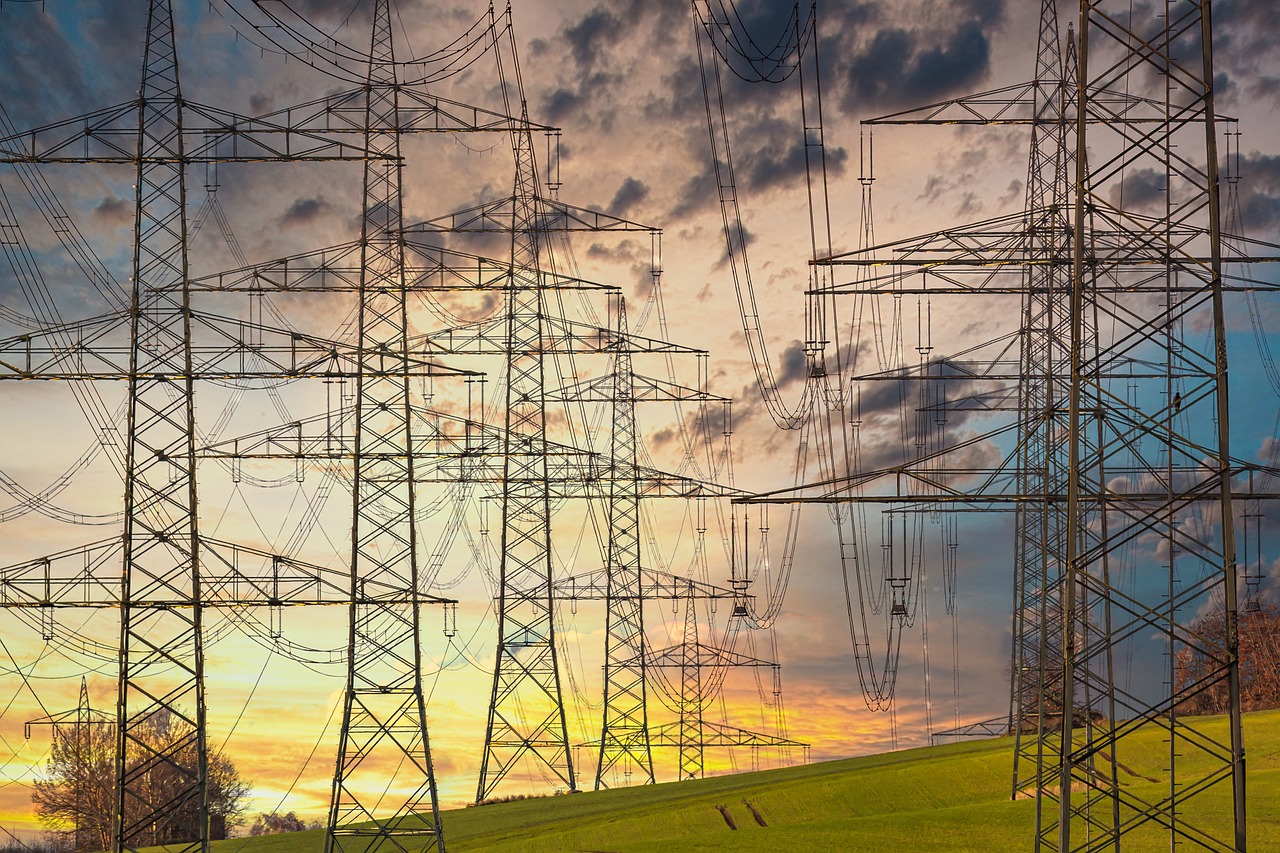
A power exchange would deliver greater efficiency, price transparency, and more robust competition, while laying the foundations for a sustainable and secure energy system. This was the consensus among participants at a Sarajevo roundtable focused on establishing an electricity exchange in Bosnia and Herzegovina, organised by the Bosnia and Herzegovina National Committee of CIGRE (BHK CIGRE).
The President of BHK CIGRE, Zijad Bajramovic, noted that the exchange would yield multiple energy, economic, and institutional benefits. He emphasised that its primary value lies in boosting market competitiveness and allowing prices to be formed transparently through supply and demand, moving away from traditional bilateral agreements.
"By involving a larger number of generators, traders, and suppliers, competition and market efficiency are strengthened. The exchange also plays a vital role in integrating renewable energy sources. Bosnia and Herzegovina currently has around 1,200 MW of installed renewables capacity, which accounts for roughly 20 per cent of total electricity generation. Whilst further growth in renewables is anticipated, this will require investment in transmission and distribution networks owing to increased pressure on the grid," Bajramovic stated.
Furthermore, the exchange is expected to stimulate investment, encourage the emergence of new market participants, and support the energy transition and sector decarbonisation. Although electricity supply is projected to remain sufficient, Bajramovic indicated that pricing would increasingly depend on market forces. This could lead to higher electricity bills but might also provide stronger incentives for energy conservation and new business models.
"Whilst there were optimistic projections that the exchange could be set up relatively quickly, reality has proven otherwise. In practice, the process has stalled in the Bosnia and Herzegovina Parliament. We are the only country in Europe without an electricity exchange, and there are currently no preparations underway for its creation," Bajramovic added.
Admir Softic, Assistant Minister for Energy at the Ministry of Foreign Trade and Economic Relations of Bosnia and Herzegovina, stated that the House of Peoples of the Parliamentary Assembly of Bosnia is expected to consider the legislation concerning the regulator, transmission, and the electricity market of the country.
"The core of the legislation is to align domestic statutory frameworks with the Third Energy Package and obligations arising from the Energy Community. This would establish the conditions necessary to launch an organised electricity market, including day-ahead and intraday trading. The law is also crucial for linking the domestic market with regional and European energy systems," Softic noted.
Dejan Stojcevski, Technical Director of Serbia’s electricity exchange SEEPEX, remarked that an electricity exchange is essential because it allows for the creation of a benchmark price, which Bosnia currently lacks.
Sinisa Piplica, Director of Croatia’s electricity exchange CROPEX, shared that Croatia established its own exchange in 2015, which has facilitated greater electricity availability and lower prices through integration with regional and European markets.
Kakvo je tvoje mišljenje o ovome?
Učestvuj u diskusiji ili pročitaj komentare


Kakvo je tvoje mišljenje o ovome?
Učestvuj u diskusiji ili pročitaj komentare